
PD Insurance’s
Human-Pet Bond
Survey
Nationwide survey gets to heart of pet ownership
Insights from over 1,800 Kiwi pet owners
Twice a year, PD Insurance asks New Zealand’s pet owners for their thoughts on all things dog and cat. This time, we joined paws with our charity partner Healthy Pets New Zealand (HPNZ) to explore the special bond between humans and their pets – and the mutual benefits pet owners report.
With 1,840 responses gathered over two weeks in November 2025, the results reaffirm Kiwis’ deep love for their animals while uncovering fresh insights to explore.
Love, cuddles and cuteness
make pet owners the happiest
Kiwi pet owners gave a resounding ‘yes’ to the question of whether their pets make their lives happier or more fulfilling (99.7%). When asked for specific ‘whys’, the most selected answer was ‘their love, cuddles and cuteness makes me happy’ — reminding us to never underestimate the power of CUTE! A close second place was ‘they give me companionship’, while ‘they make me cope with stress or tough times’ was third.
Pet parent spotlight
Pets help us improve diet, quit drinking
and reduce screen time
83.7% of respondents said that having a pet has encouraged them to have healthier routines. In addition, almost half of respondents (49.8%) have made lifestyle changes because of their pet. Of those who have made changes, cutting down their screen time was the most selected answer. Some said that they don’t have to spend as much money to go out anymore now that they have a pet, while other say it’s encouraged them to explore new parts of the city.
Pet parent spotlight
Pause your scroll:
Bookmark or pounce over to our articles

Pets help us
be more social
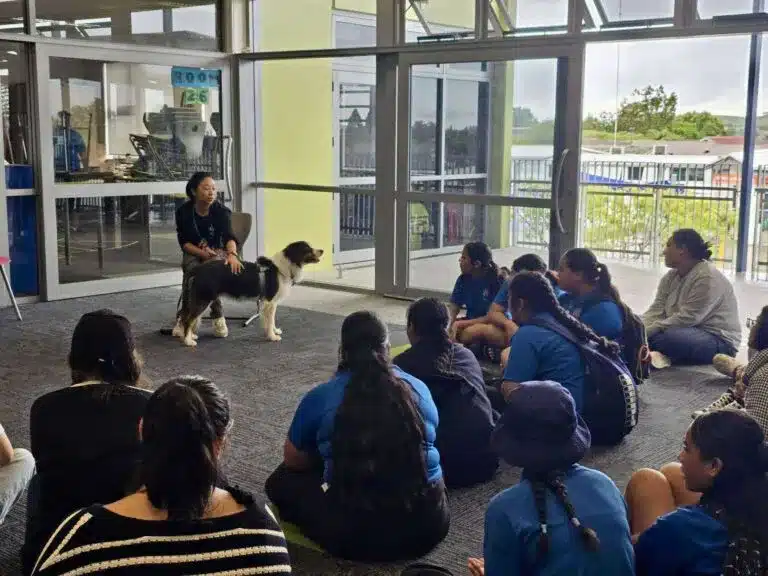
Pets help us spark conversations, connect with neighbours, and create easy moments of interaction just by being there.
“We often think of the impact that pets have in the home, but for many people it extends beyond that,” agrees HPNZ Chair, Dr Hayley Hunt. “It was heartening to see that 65% of respondents said their pet helped them meet or connect with people they otherwise might not have, showing that it’s not just the connection with animals, but also with people, that’s a benefit.”
Pet parent spotlight
HPNZ research:
Oxytocin peaks when dogs need us most
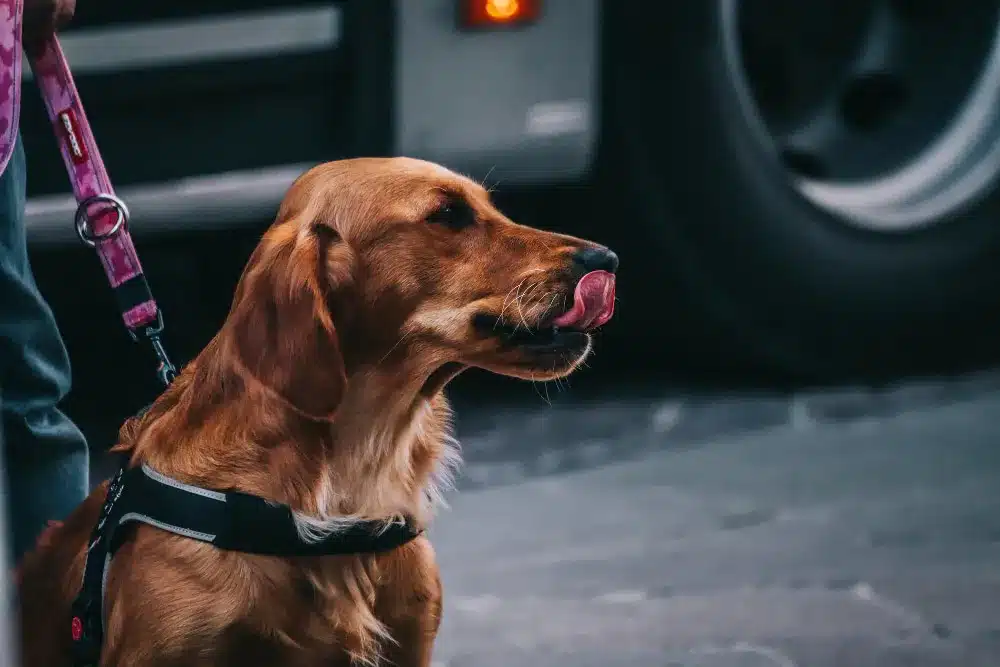
Oxytocin – the “love hormone” – plays a big part in how dogs connect with people.
An HPNZ-supported University of Canterbury study at a busy dog daycare found that dogs who sought out humans more often had higher oxytocin levels and may use people for comfort during busy moments.
Levels peaked at nap time, and factors like experience and sex also influenced behaviour. This helps caregivers better support dogs’ emotional wellbeing.
Pet owners say
pets help their children
A growing body of academic research shows that interactions with pets and companion animals can bolster children’s emotional, social and cognitive development — for example, helping with emotion regulation and self-esteem in young people. In short: it seems having a pet around isn’t just fun — it might genuinely support kids’ wellbeing.
Pet parent spotlight
Pets are good for
elderly family members' health
Of those pet parents who have elderly family members, the majority says that pets contribute to their wellbeing. This is backed by research, with studies showing that pets can help older adults feel less lonely and more connected, especially in care settings.
Pet parent spotlight
Health care professionals
often recommend pets
A significant percentage of respondents (almost 15%) say a health care professional has recommended a pet to them. “This suggests there could be scope for more conversations with medical professionals and their patients about the benefits of getting a pet,” says Dr Hunt.
Pet parent spotlight
Pets
make us more active
78.9% of respondents said that having a pet had made them more physically active. “It would be interesting to consider this in relation to the pet type and size, as research [not associated with HPNZ] showed that those with medium to large dogs did significantly more minutes of recreational walking per week than those with small dogs, or no dog at all,” says Dr Hunt.
Pet parent spotlight
We walk, run, hike and play
with our pets
Plenty of people think pets help their families stay more active – and honestly, the evidence agrees. Studies show that dog owners, in particular, tend to walk more and are more likely to meet recommended daily activity levels.
Pause your scroll:
Bookmark or pounce over to our articles


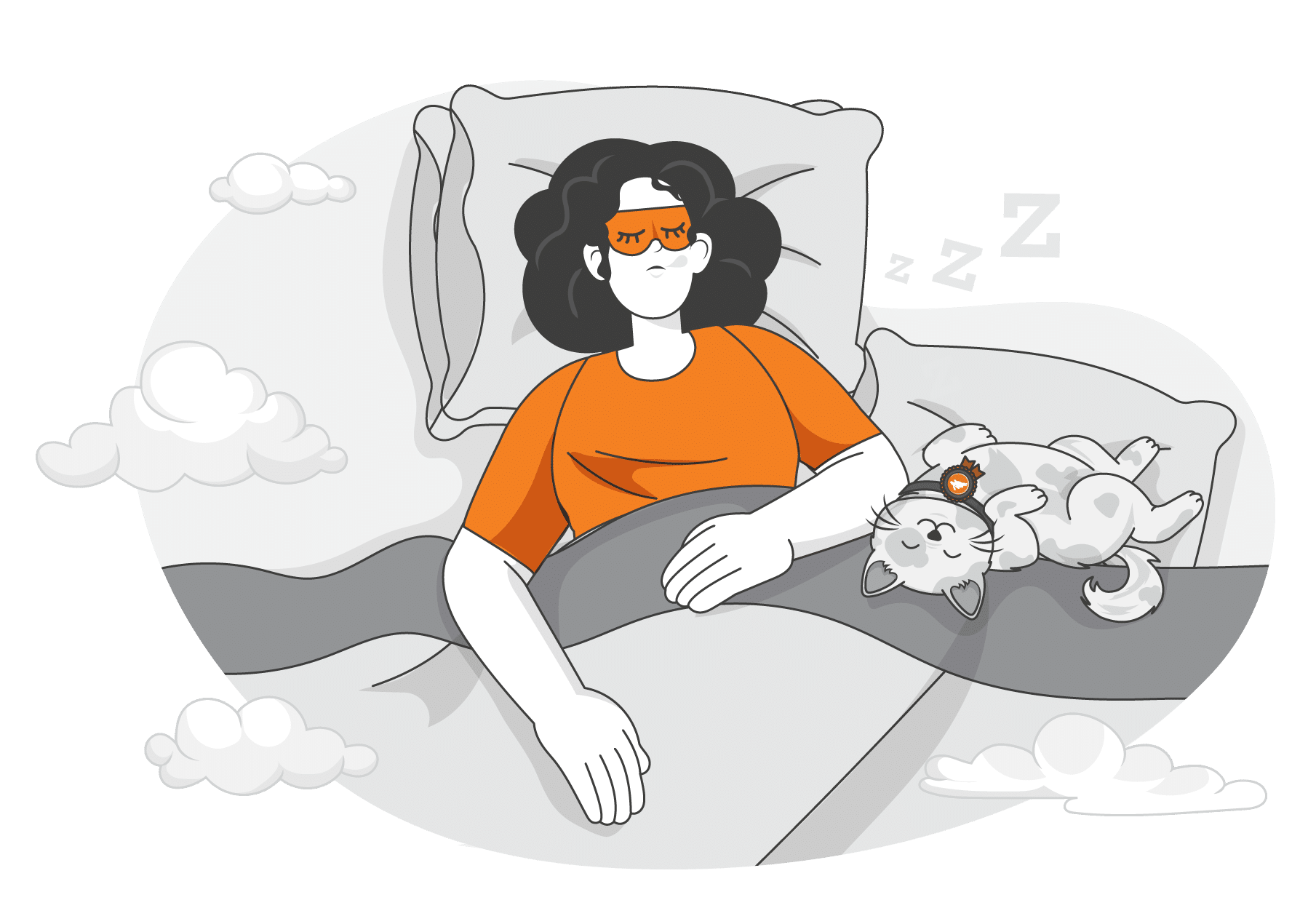
Pets improve our sleep ...
but not always!
Results were mixed in terms of how pets affect our sleep. A quarter of respondents say they sleep better because of their pets — whether that’s the comfort of having a familiar presence nearby or simply the calming effect of a warm, dozing animal in the room. But on the flip side, 19% say their pets make their sleep worse, which isn’t surprising either. Nocturnal wandering, snoring, shifting around on the bed, or early-morning wake-up calls can all take a toll.
Pet parent spotlight
The HPNZ-supported New Zealand Attitudes and Values Study (NZAVS) is a large, ongoing national study that began in 2009 and tracks the same group of people in New Zealand over time to measure changes in their values, attitudes, personality and health.
Researchers found that while many people believe pets (especially cats and dogs) boost wellbeing, longitudinal data show no clear causal link between owning a cat or dog and better mental health. The study did find small differences: dog owners reported slightly more exercise, and cat owners slightly less sleep.
In short, this particular study shows that having a pet may be associated with certain lifestyle changes, but it doesn’t appear to cause improved psychological wellbeing – and further research is needed to understand what’s really at work.
Humans seek out pets
We also found that people don’t just enjoy having pets around — they actively seek out pet interactions when they’re without one. Whether it’s stopping to pat a friendly dog on the street, visiting a friend specifically to see their cat, or scrolling through endless videos of other people’s pets online, there’s a real pull toward that sense of connection.
“Respondents that had periods without a pet often sought out other ways to interact with animals, highlighting that it doesn’t have to be a pet-owner bond to see benefits, but the wider human-animal bond,” says Dr Hunt. “Pets belonging to family, friends and neighbours were often a source of connection with animals, along with fostering, which HPNZ has supported research on.”
Pause your scroll:
Bookmark or pounce over to our articles



A third of pet owners take their pets
to community events
Pets are getting out and about — joining at markets, charity walks and neighbourhood gatherings. It shows how animals are increasingly being woven into everyday Kiwi life, and how we’re starting to see pets as part of the social fabric, not just the household.
Pet owners say
human-pet bond is mutually beneficial
“There are often surveys that look at the pet side of the bond or what humans gain from having pets,” says Dr Hunt. “But we think much of the importance of the human-animal bond comes from how mutually beneficial it is. The results of this question speaks to how much both the pet and owner can gain from the relationship.”
Pet parent spotlight

Dive deeper
Want more fascinating insights into Kiwi pet parenting? Pounce into our previous surveys:
- The 2025 Pet and Your Pocket Survey - where we looked at how pet owners manage costs.
- The 2024 Generation Pet Survey - where we looked at how generations differ in their attitudes to pets.
- The 2024 Pet Parent Survey - where we looked at taking pets to work, pet birthdays and more.
- The 2023 World Animal Day Survey - where we looked at pet tech, pets on social media, health worries and more.
Pet insurance for when they need it most
You’ve only to be hit by one unexpected vet bill to realise the importance of pet insurance to help you cover your dog or cat during an illness or accident.
PD Insurance offers hassle-free dog insurance and cat insurance plans. PLUS, you can get 1 MONTH FREE when you sign up. Why not get a quote today?