
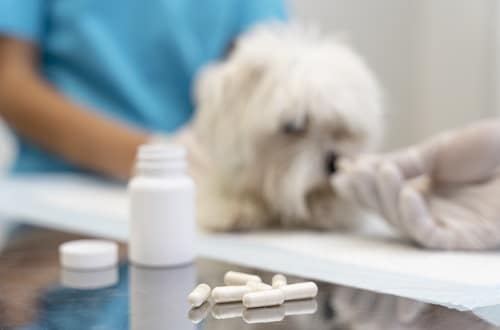
So, Bella or Luna have had a mishap and needed to go the vet. You know you have pet insurance to cover them in case of accidents, but you’re not sure whether it will cover the medication your vet might prescribe afterwards. Does pet insurance cover medication?
In our quest to make all pet parents masters in understanding their insurance policies – we’ve delved into this question below. Knowledge is power! Let’s pounce right in.
In this article
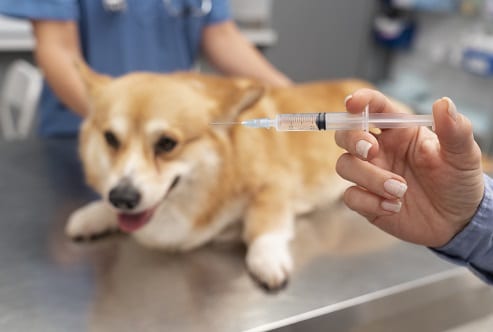
So … does pet insurance cover medication?
The short answer is yes, but with some important caveats. Generally, pet insurance policies cover prescribed medications, but this coverage may depend on the specific plan you choose. Plans can vary widely in what they include, so it’s crucial to review the details carefully.
At PD Insurance, we’re proud to say that, subject to terms and conditions, prescribed medication is covered on ALL our plans.
Remember that most pet insurance policies have maximum pay-out limits for medications or treatments. If your pet’s medication costs exceed this limit, you’ll be responsible for the balance. It’s good to be aware of this in advance so you have an understanding of what to expect come claim time.
What medication doesn’t pet insurance cover?
So the next logical question – what pet medicine DOESN’T insurance cover. Let’s take a look:
#1 Over-the-counter pet medications
While many policies cover prescription medications, over-the-counter drugs or supplements might not be included. If your pet requires non-prescription medications, you may need to cover the costs yourself.
#2 Experimental or investigational medications
Pet insurance typically covers established and accepted treatments. Experimental or investigational medication (medicine that’s still under clinical trial) that’s not approved by the Ministry of Primary Industries or Veterinary Council of New Zealand is typically excluded.
These medications haven’t been fully tested and proven to be safe and effective for fur kids. This means there’s a risk that your pet could have serious side effects or even die from taking the medication.
They’re often also very expensive because medicine, like everything else, becomes more affordable the more widespread its use is. As a result, pet insurance companies are less likely to cover it since they try to keep their premiums affordable for everyone. Covering experimental medications could significantly increase the cost of premiums.
#3 Routine or preventive pet medications
Pet insurance companies typically don’t cover routine or preventive medications because they want to keep their premiums affordable for everyone. Where pet insurance really counts is for those big bills you least expect.
Preventive medications, like flea and tick prevention and deworming pills, are typically inexpensive and can be purchased over-the-counter.
Keep in mind that routine and preventive medications are costs you can anticipate and plan for, unlike unexpected vet bills. Pet insurance companies are designed to help pet owners cover the cost of unexpected vet care, not to pay for routine expenses.
- Talk to your vet about discounts. They may offer discounts on preventive medications, especially if you purchase them in bulk.
- Consider generic medications. They’re just as safe and effective as brand-name medications but are often much cheaper.
- Shop around for the best prices. Preventive medications can be purchased from a variety of retailers, including vets, online retailers, and pet stores. Be sure to compare prices before you buy. Read our piece called: Managing Pet Costs While Giving The Best Care.
Speaking of medication. Have you ever struggled to give your dog their pill? It can be a real challenge! Here’s a vet’s answer below. You can also find our tips on giving medication to cats -here.
#4 Off-label pet medications
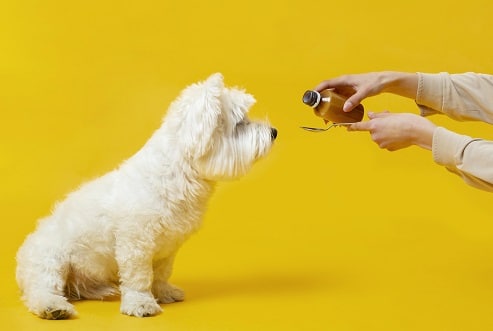
If your vet prescribes a medication for an off-label use (a use not approved by Medsafe), coverage may be limited or denied.
Off-label use means that the medication is being used for a condition or in a way that isn’t yet approved by the regulatory authorities. This means that there is less scientific evidence to support its safety and efficacy.
PS: Find out here How To Make Your Own Pet First Aid Kit.
#5 Medicine that isn’t for animals!
Finally, pet medication not approved and registered for animal consumption in New Zealand by the Ministry of Primary Industries or the Veterinary Council of New Zealand may not be covered.
Again, this is a safety issue and is in the best interest of you fur kid. Lots of human medicines can be seriously toxic to dogs and cats because their biology can process them differently. For instance, paracetamol can damage a dog’s liver because their metabolism converts it into a toxic compound!
Hassle-free pet insurance
Ready to give your furry friend the protection they deserve? PD Insurance not only offers no lock-in contracts and discounts for insuring more than one pet, but you can get 1 MONTH FREE when you sign up.