

No one wants to phone their vet saying “my dog ate chocolate!” While chocolate isn’t something pet parents would knowingly give their pets, every April tells a familiar story. Insurance claims for chocolate ingestion spike noticeably for pups. April, of course, means Easter – which in turn means chocolate Easter eggs in abundance.
A 10kg dog (the size of an average Jack Russell) can get dangerously ill from as little as a few squares of dark chocolate or a small 100g milk chocolate easter egg*. So how does it happen? And how can you prevent it? In this guide, we look at easter, dogs and how to make it truly safe for your pet.
In this article

My dog ate chocolate! How common is it for dogs to eat Easter eggs?
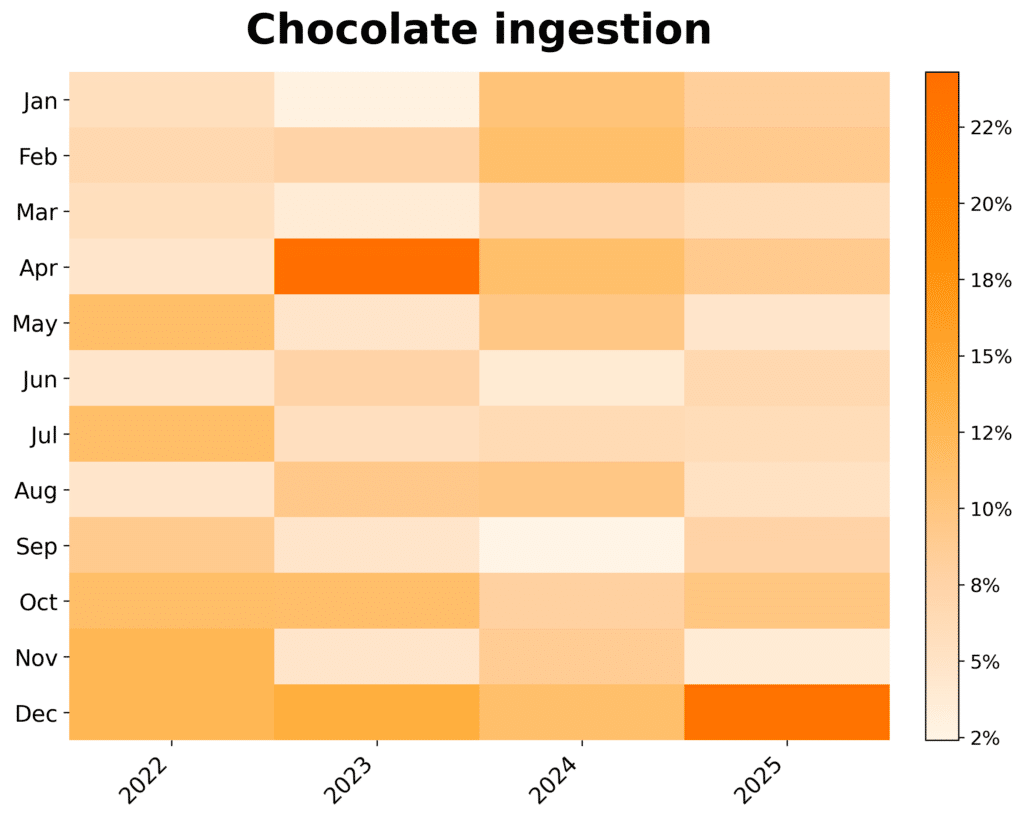
Short answer – very common! Accidental ingestion (your dog eating something they shouldn’t) is the number one claim type for PD Insurance.
Chocolate ingestion is so common that it even forms its own ingestion subtype, along with poison, foreign bodies (like balls or socks), plants and medication.
As mentioned, chocolate ingestion spikes every April. The second most common time for chocolate ingestion claims is in December – another period when choccie treats are in abundance.
Why are Easter eggs such a hazard?
We have a comprehensive article on why chocolate is toxic to dogs that’s well worth checking out. (And if you’re wondering if chocolate is bad for cats, the answer is yes!). But the short answer is that chocolate contains theobromine, a stimulant that dogs and cats can’t break down properly. Even small amounts can build up in their system and cause vomiting, heart problems, tremors or seizures.
Easter eggs, in particular, are a hazard because:
- Eggs are often left within reach on tables, in baskets, under trees, or hidden for hunts
- Bright and shiny foil wrappers + the chocolate smell really attracts dogs and are a choking hazard
- Kids drop bits or unwrap eggs and walk away
- Dogs eat the whole thing (foil and all) before anyone notices
Watch this PD Pet Care Vlog with Dr Cath for inside info on how vets treat chocolate toxicity in dogs:
How can I make Easter safer for my pet?
Happily, there are practical steps you can take to make sure you’re not phoning your vet saying “my dog ate chocolate!”
Ahead of Easter:
Many of us ramp up our chocolate consumption well ahead of Easter day. As the shops start bringing out brightly coloured treats, you may well find yourself with a bunch of goodies in your basket.
Lovely as the chocolate bunny wrapped in gold may look, resist the urge to display your Easter goodies in a place where pets could reach them. Always keep chocolate safely in a closed cupboard or container.
On Easter day:
If you’re hosting an Easter egg hunt in your garden, you need to count your eggs – literally! Count how many Easter eggs you have before you start hiding them. If 20 eggs are hidden, 20 must be found again. Eggs that are too well hidden to be found are easily forgotten about. Until, of course, an unlucky pet finds it.
It goes without saying, but keep pets indoors or supervised during the hunt and make sure kids know not to share chocolate with pets or leave any wrappers behind.
After Easter day:
Again, make sure that all your hidden Easter egg have been collected. Now also make sure that anything that’s landed in the rubbish bin (hello, half-eaten chocolate bunny) can’t be sniffled or scratched out by your pet. After Easter is too often the time when pets get hold of chocolate in the garbage.
Remember, there are safe and fun ways to include your pet this Easter, like making them their own bountiful cat or dog Easter basket. Or why not snuggle up with a fun movie like The Dog Who Saved Easter?

‘Dog ate chocolate!’ FAQ
When a dog eats chocolate, the chemicals in it overstimulate their body because they can’t break them down properly. This can mess with their heart, nerves, and muscles, making them restless, shaky, sick, or even causing seizures.
If your dog eats chocolate, try not to panic but act quickly. Call your vet or an emergency vet straight away, because they can tell you what to do based on how much was eaten and your dog’s size.
Dogs shouldn’t eat white chocolate, but it’s much less dangerous than other types. It has very little of the toxic chemical, though it can still upset their stomach because of the fat and sugar.
*Merck Veterinary Manual. “Chocolate Toxicosis in Animals.”
Transparent cover you can trust
Despite you being vigilant over Easter, dogs and cats can still get themselves into trouble. No wonder vets regularly issue warnings during this period. That’s why pet insurance is so important year round.
PD Insurance offers a choice of three pet insurance plans to cover you for unexpected vet visits. And because we consider ourselves pet people, we keep it clear when it comes to what we do and don’t cover. Chocolate ingestion is considered poisoning, which is covered in our Classic and Deluxe cat insurance and dog insurance plans, but not our Accident Plan.
PLUS, if you sign up with us, you can get 1 month free pet insurance – no matter what plan you choose. Not to mention we have some amazing discounts if you insure more than one pet. We even offer a switching fee if you’re swopping over from a different insurance provider.
For insurance that’s clear and uncomplicated, get a quote below.