
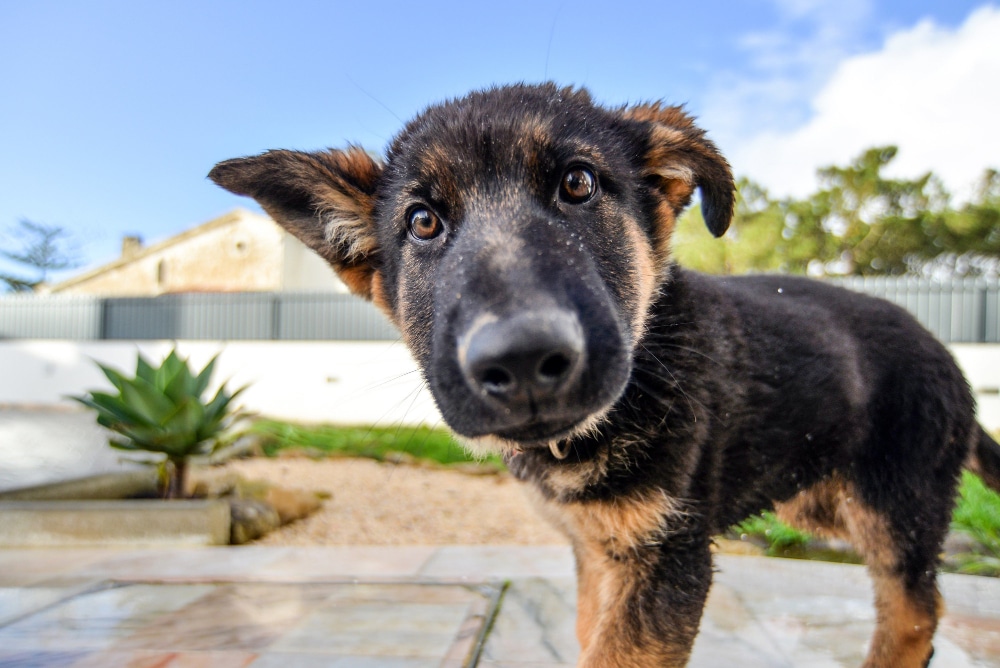
Do an online search on New Zealand’s favourite dog and the response you’ll likely see is “the Labrador”. It’s a fair guess. But it’s wrong.
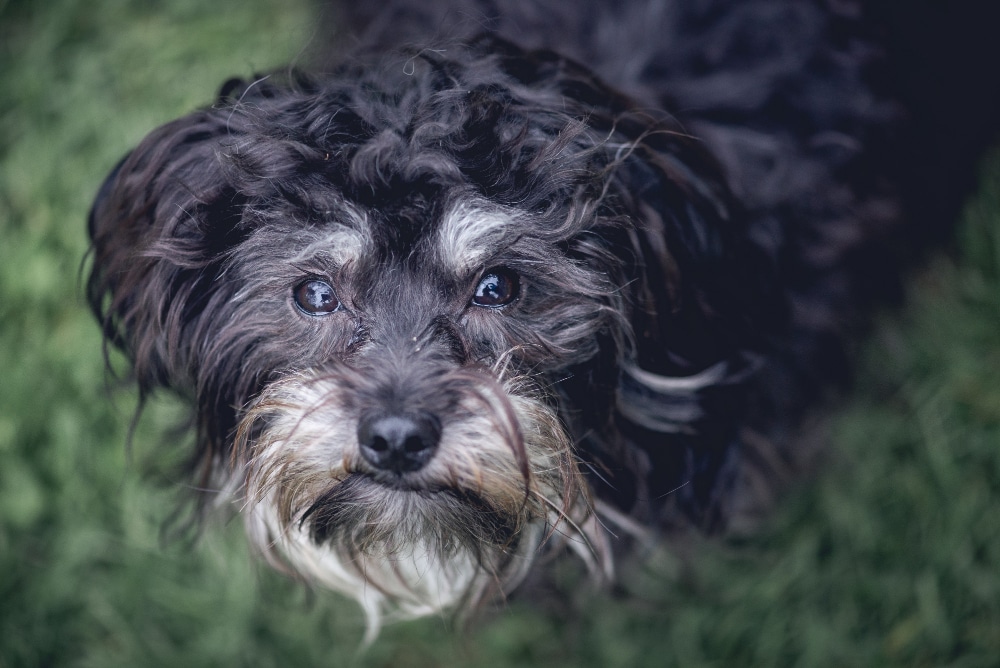
Our real favourite has floppy ears and pointy ones. It’s scruffy and sleek, tiny and enormous, and often comes with a backstory that begins “well, we think his mum was a Huntaway…”. It’s the mixed breed: the mutt, the bitsa, the one-of-a-kind. On National Mutt Day, we think it’s time they got the spotlight.
In this article
The numbers don’t lie
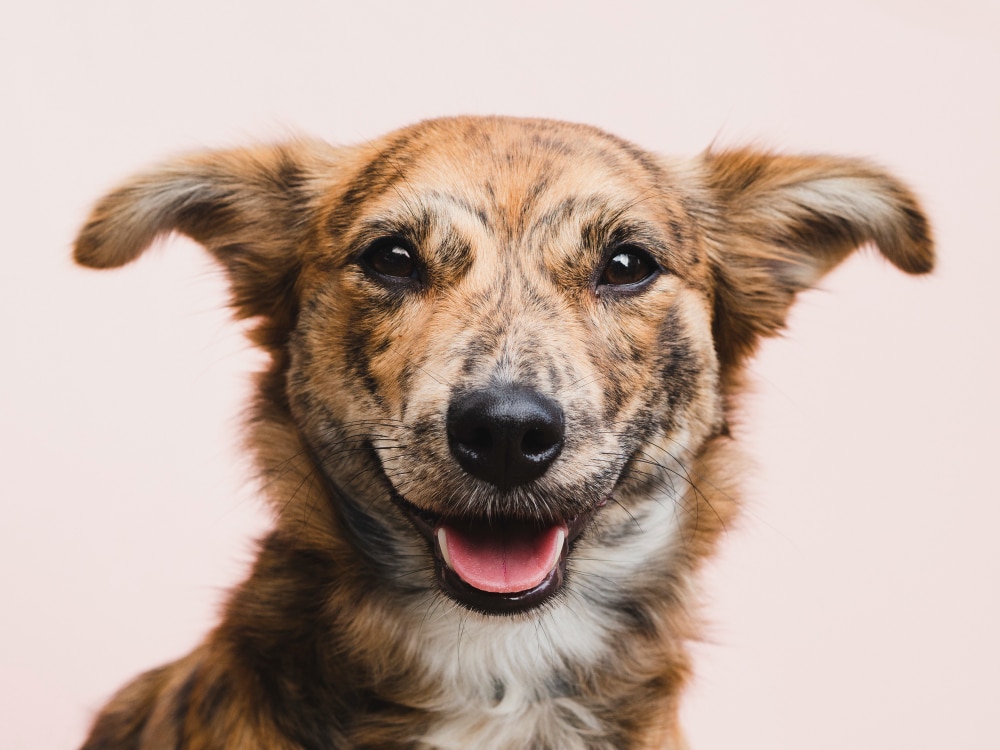
More than 42% of registered dogs in New Zealand are mixed or cross breeds, according to MoneyHub’s analysis of Department of Internal Affairs dog registration data. The Labrador, our most popular purebred, makes up about 7%. That’s roughly six mutts for every Lab.
And it isn’t just a Kiwi thing. Around 75% of the world’s dogs are free-roaming “village dogs” that don’t belong to any breed. Globally, the typical dog is a no-papers, street-smart mix of everything.
Most loved. Least seen.
If mutts are everywhere in real life, you’d expect to see them everywhere in ads, on billboards and on your feed. You don’t.
Search a major stock photo library for “Labrador” and you’ll get around 59,000 images. Search “mixed breed” and “cross breed” and you’ll get about 26,000 between them. One breed has more than twice the pictures of every mix put together.
Instagram tells the same story. #Labrador has around 28.6 million posts. #MixedBreed and #CrossBreed together have about 4.9 million.
Wait, what about ‘designer dogs’?
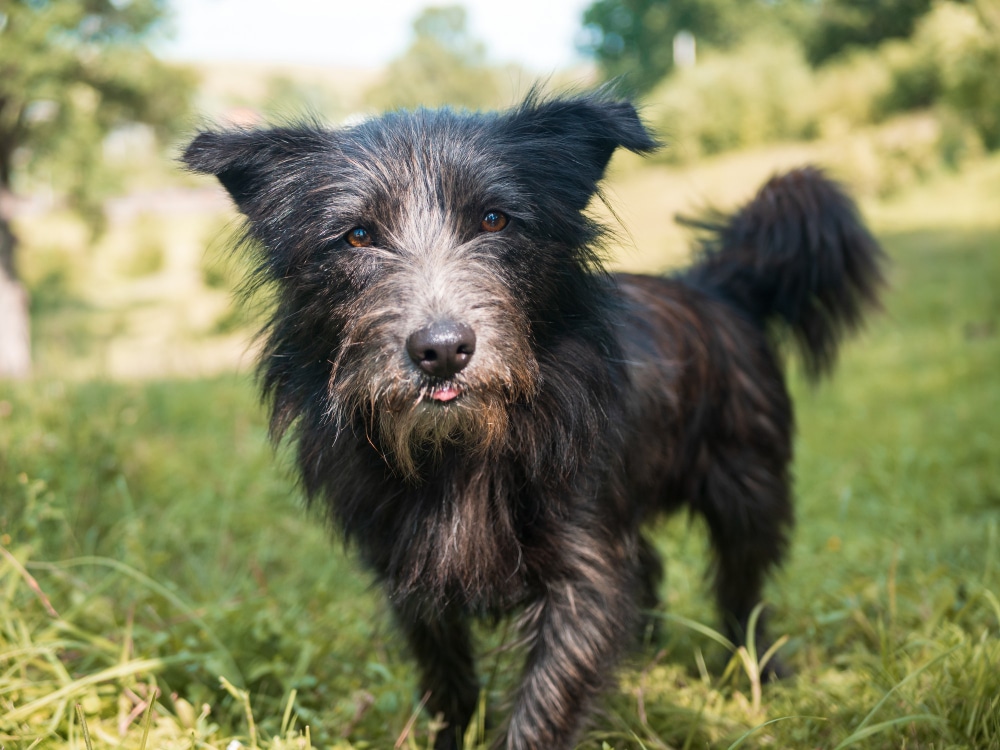
Cavoodles, Groodles, Spoodles, Labradoodles: designer dogs are everywhere in New Zealand right now. They’re cute, curly and often low-shedding, thanks to the Poodle in the mix.
The trend started across the ditch. In 1989, Australian guide dog breeder Wally Conron crossed a Labrador with a Poodle to create a guide dog for a blind woman whose husband was allergic to dogs. Nobody wanted to take the “crossbred” puppies, so he gave them a catchy name instead. As he later put it: “Same dog, different name.” Suddenly, everyone wanted one.
Designer dogs started out as crosses between two purebreds, and many are now bred from generations of their own kind. Some Australian breed clubs are even pushing for official breed status for Labradoodles and Groodles. For now, though, kennel clubs still class them as mixed breeds. Which means, technically, they’re mutts too. Mutts with very good PR.
Why some dogs get more of the spotlight
Part of it is history. From ancient Egypt to the royal Corgis, people have long prized dogs bred for a particular job or look.
Social media plays a part too. Distinctive, instantly recognisable breeds are easy to love on a screen, and many of the biggest dog influencers are purebreds. When a breed goes viral, demand for it often rises. Mixed breeds don’t have a standard look or a breed community sharing their photos, so they’re easy to scroll past.
Give a mix a catchy name and a recognisable look and it gets noticed. The scruffy, one-of-a-kind mutt still misses out.
None of this is a knock on purebreds, designer dogs or the people who love them. Responsible breeders put a lot of care into the health and temperament of their dogs, and organisations like Dogs NZ work hard to support that. And every recognised breed began as a mix of something once. We just think every kind of dog deserves to be seen.
The dogs waiting for their turn
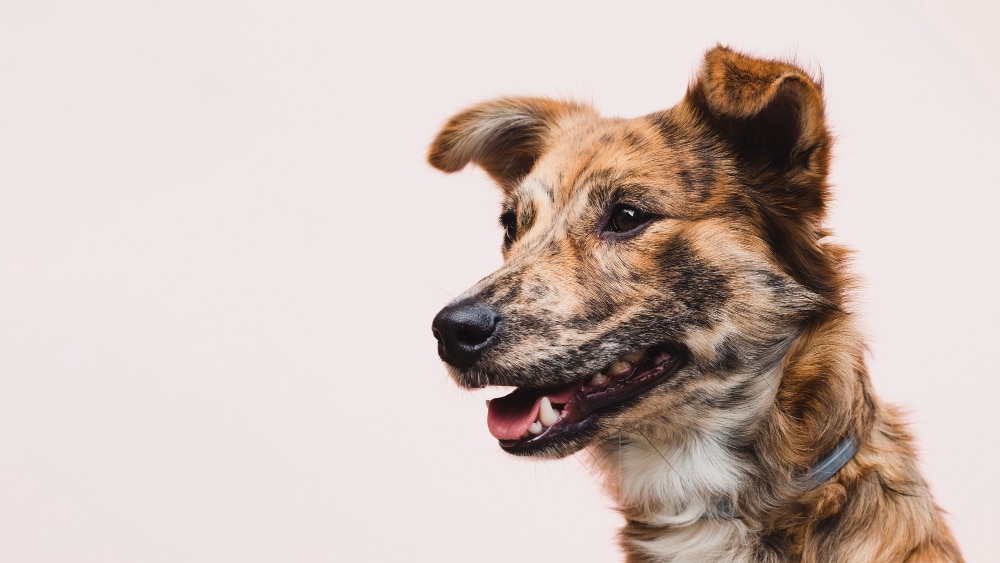
Being overlooked matters most in shelters, where international research suggests most dogs are mixed breeds.
Mixed breeds are also less likely to be collected by their owners. One shelter study found that 41% of mixed breeds were reclaimed, compared with 67% of purebreds.
Thinking about adding a dog to the family? A shelter is a wonderful place to start. You won’t get a pedigree certificate, but you might get the best mate you’ve ever had.
PD celebrates Mutt Day
National Mutt Day was founded in 2005 by animal welfare advocate Colleen Paige to celebrate mixed breeds and encourage their adoption. It happens twice a year, and we’re all in.
Here’s our commitment. Every July and December, PD will feature more mixed breed dogs across our marketing: our photos, videos, illustrations, blogs and socials. And for the rest of the year, we’ll be making sure mutts get a much bigger share of the spotlight.
Why does a pet insurer care? Because we’re pet people, and most Kiwi pet people share their homes with mixed breeds. You should see your dog in the brands you trust.
Pet insurance for mixed breeds
Mixed breeds aren’t automatically healthier than purebreds. A UC Davis study of more than 27,000 dogs found purebreds were more prone to 10 of 24 inherited conditions, but 13 were about equally common in mixes, and mixed breeds were more likely to tear a knee ligament.
And accidents don’t check pedigree papers. Whether it’s a swallowed sock or a tumble at the park, any dog can end up at the vet, and the bills can add up fast.
That’s why pet insurance matters, whatever’s in the mix. PD pet insurance helps cover eligible vet costs. Plus, you can get 1 month free when you sign up.