
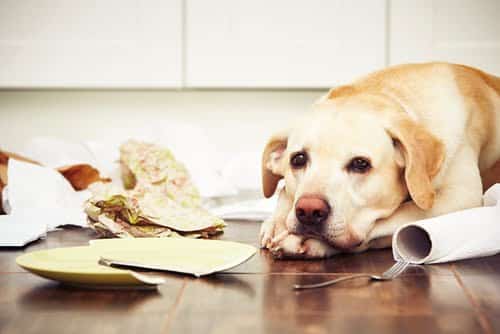
Renting with a pet? Since 1 December 2025, NZ landlords can no longer impose blanket “no pets” rules — only knock-backs on “reasonable grounds.” Landlords can also now charge a pet bond of up to two weeks’ rent to cover potential damage, giving them extra peace of mind to say yes.
Pet-friendly rentals have nearly doubled as a result, and a recent PD Insurance survey of over 1,100 pet owners found that 25.7% say it’s made it easier for them to have a pet. Here’s how to protect your pet bond while renting.
In this article
- An increase in rentals … and pet bonds
- Be realistic about the rental you choose
- Snap some “before” photos on moving day
- Keep up the grooming routine when renting with pets
- Stay on top of fleas
- Tackle accidents quickly when renting with pets
- Give the vulnerable spots a little extra protection
- If damage does happen when renting with pets: what to do
- If your pet damages someone else’s property …
An increase in rentals … and pet bonds
According to Trade Me, pet-friendly rentals have grown from fewer than one in five listings before the reforms to more than two in five in 2026. “Pets negotiable” listings jumped from 13% in November 2025 to 39% by February 2026, while listings explicitly stating “no pets” fell from 52% to 29% over the same period.
As mentioned, the reforms also introduced a pet bond of up to two weeks’ rent to cover potential pet-related damage. This is on top of the standard tenancy bond. Our survey found that 17% of renters said they currently pay a pet bond — and half of those said it was over $1,000.
A bond isn’t the only thing landlords are attaching to a “yes” these days. Our survey found 35% of renters have conditions or restrictions on their pets, most often needing landlord approval or sticking to a limit on pet numbers. Some had more specific requirements too, like installing a cat door or paying for professional carpet cleaning when they move out.
That bond is real money on the line if something goes wrong, which means you’re going to want to set yourself (and your pet) up right to keep your apartment in tip top shape.
Be realistic about the rental you choose
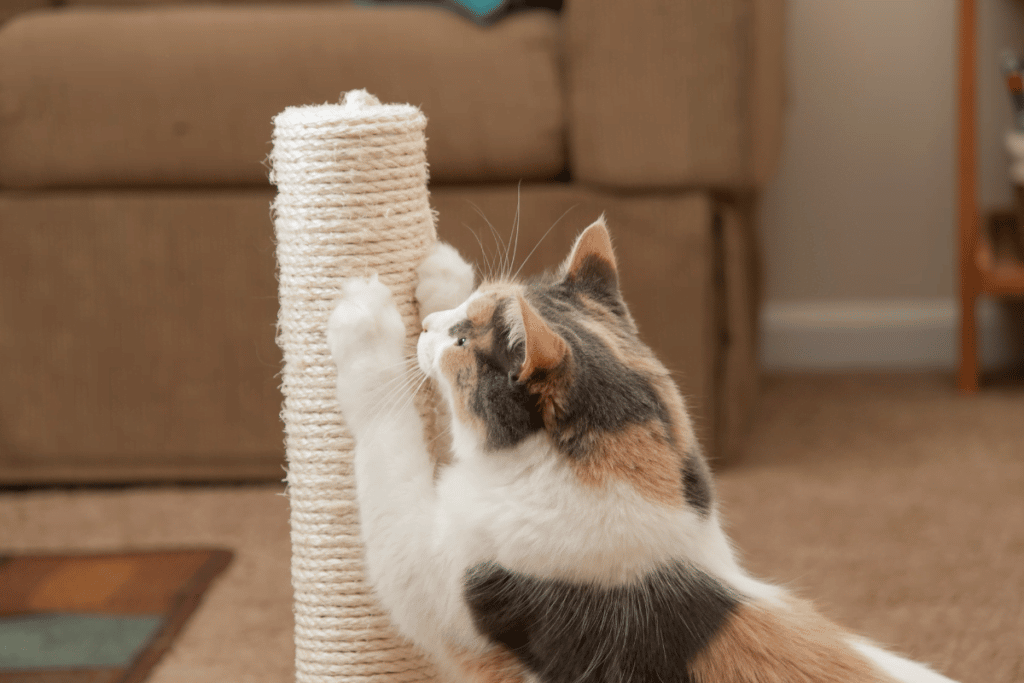
A big dog or an energetic puppy needs room to run. Bored dogs without the means to burn off energy can become destructive. Cats love to scratch and climb — you’ve seen the videos of a cat tangled in the blinds or clawing their way down expensive drapes.
Consider your pets needs and their natural instincts before picking where you’ll all be living. And don’t forget the fur: if the rental is fully carpeted and you have a dog who sheds like it’s snowing, is this the best choice?
If you’re considering a pet before choosing a rental, we share the best pets for apartments, best pets for kids and the lowest maintenance pets.

Snap some “before” photos on moving day
Before you unpack a single box, take a wander through the property with your phone camera. Photograph and video the carpets, walls, skirting boards, and any outdoor areas your pet will have access to — especially anything that’s already a bit scuffed, stained, or worn.
Pop these over to your landlord or property manager with the date attached. It only takes ten minutes, and it’s the best proof you’ll have if there’s ever a “was that us?” conversation down the track.
Keep up the grooming routine when renting with pets
Scratched floorboards, snagged carpet, and fur worked into the couch cushions are some of the most common reasons pet bonds take a hit. Regular nail trims, brushing, and the occasional professional groom (for breeds that need it) go a long way toward keeping your rental looking just as lovely as when you moved in.
Stay on top of fleas
Nobody wants an infestation, and it’s not just uncomfortable for your pet — it can work its way into carpets and soft furnishings, which is a much bigger (and smellier) headache to sort out by the time you move out. A simple, consistent flea routine, especially over summer, saves everyone a lot of grief.
Tackle accidents quickly when renting with pets
Urine stains and odours are notoriously stubborn, and landlords tend to notice even after a good clean. If you’ve just brought home a puppy, kitten, or newly adopted pet, get toilet training underway early, keep an enzymatic cleaner on hand for any slip-ups, and lean on washable pads or a crate routine while your pet’s still learning the ropes.
Give the vulnerable spots a little extra protection
A doormat by the entrance, a washable throw over the couch, and a crate or cosy pet corner can all take the pressure off high-traffic areas. If your pet’s a chewer or a scratcher, it’s worth keeping them away from door frames, carpet edges, and window sills whenever you’re not around to keep an eye on things.
Our article on pet proofing your home offers sound advice on doing just that.
If damage does happen when renting with pets: what to do
Even with the best planning, accidents happen – especially when it comes to puppies and kittens. 18.5% of our respondents say their pets have caused damage in their apartment. This was typically scratched or stained flooring, chewed doors and skirting boards, and torn carpets or blinds.
If you’re handy and want to fix it yourself, good news — that’s often the easiest route! Just a few friendly reminders:
- Check in with your landlord first – most rental agreements want you to get the okay before making any repairs, even small ones
- Try to match the original – aim for the same paint, flooring, or finish so it blends in nicely, not just a quick patch job
- Snap some photos – before and after shots are great backup, just in case
- Get a quick “all good” in writing – even a short text or email from your landlord confirming they’re happy with the fix goes a long way
- Ask before assuming – some landlords would rather sort it themselves and pop it on your bill, especially for trickier stuff like flooring, so a quick chat first saves any awkwardness later
Of course, this applies when it comes to minor damage to your rental. If your pet has managed to escape your home (whether you’re renting with pets or not) and caused damage to someone else’s property or pet, having pet insurance can be hugely helpful in settling any bills. Read on …
If your pet damages someone else’s property …
Ever heard of third party liability insurance cover? It’s essentially if your pet injures someone or damages their property — and it’s included in all three PD pet insurance plans.
Third party liability covers things like vet bills for the other pet, repair costs, or medical expenses, up to your plan’s limit. It kicks in so you’re not stuck paying out of pocket for an accident your pet causes to someone else.
This is especially handy for apartment or shared-building living, where a dog knocking over a neighbour’s belongings or a scuffle with another tenant’s pet is a real (if unlikely) possibility. Just note it doesn’t cover damage to your own landlord’s property — that’s what your bond is for.
And remember, there’s no use trying to shut the back door once the Jack Russel has bolted.
Which is our way of saying: You’re going to want pet insurance in place before accidents happen. So why not get a quick quote today. PD Insurance offers a choice of three plans to suit different budgets. PLUS, if you sign up with us, you can get 1 month free pet insurance – no matter what plan you choose.