
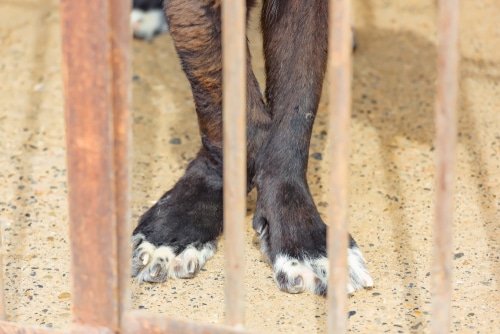
Rickets in puppies and young dogs? You may have heard of rickets in humans, but the fact that it can occur in our pups can be surprising. And though we may associate it with stray, abandoned or neglected puppies – since it’s caused by a lack of certain nutrients – there are other causes to be aware of, including genetics and incorrect raw food diets.
Below, we look at what you need to know about this bone disease and how to ensure your dog isn’t at risk due to dietary factors.
In this article
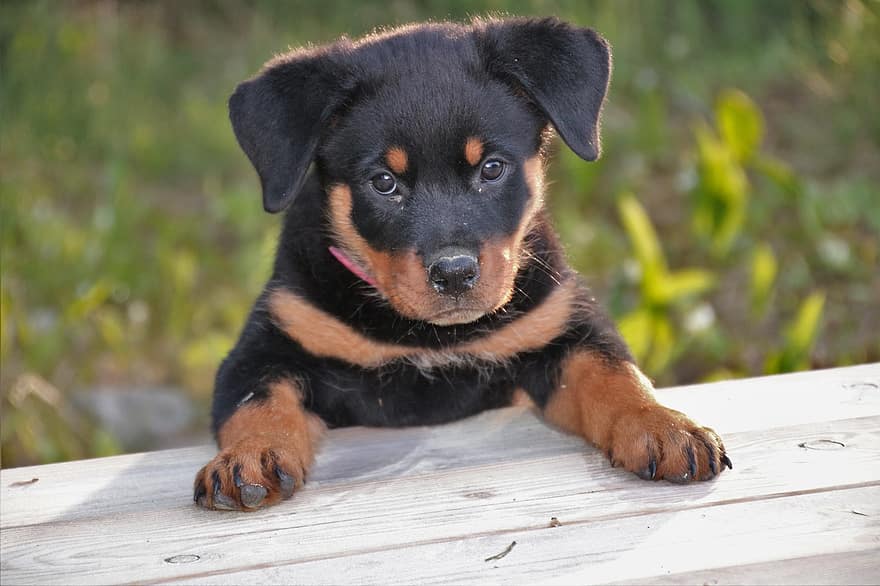
What is rickets in puppies?
Rickets is a bone disease in growing dogs that’s caused by a lack of vitamin D, calcium, or phosphorus. It can also be caused by a genetic disorder. Rickets makes your pup’s bones soft and weak, which can lead to bowed legs, lameness, and fractures.
Rickets only occurs in growing animals, including puppies and juvenile dogs. Adult dogs can’t get rickets, but they can develop other bone problems if their diet is poor.
Luckily, rickets in developed countries not as common as it once was, but it can still occur. Dogs born in puppy mills or reared by irresponsible breeders often don’t receive the correct nutrition, and can be at risk. The symptoms include:
- Bowed legs
- Lameness
- Difficulty rising
- Bone pain and swelling
- Fractures
- Retarded growth
- Soft, pliable bones
- Loose teeth
- Hair loss
If you think your pup may have rickets, it’s important to take them to the vet for diagnosis and treatment. They’ll be able to do physical examination and may order blood tests and X-rays.
This poor little pup in the video below had rickets in his front legs. Luckily, the hardworking staff at the Helen Woodward Animal Shelter in California were able to help heal him – and now he’s a ball of energy!
What causes it?
Poor nutrition
As mentioned, puppies that don’t get enough vitamin D, calcium, or phosphorus in their diet are at risk of developing rickets.
Vitamin D is essential for the absorption of calcium and phosphorus from the gut. Without enough of it, dogs cannot absorb enough calcium and phosphorus to build strong bones.
This can happen if they’re not fed enough, fed a poor-quality or imbalanced diet (see below).
Incorrect raw food diet
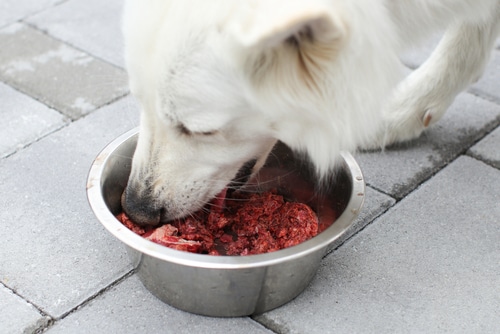
When not done correctly, raw feeding can cause a deficiency in vitamin D, calcium, or phosphorus.
This study looked at a puppy that became very sick after being fed a homemade diet made of raw ground beef and an organic supplement mix. She developed vitamin D-dependent rickets type I and suspected nutritional secondary hyperparathyroidism.
Though the specific organic supplement mix isn’t named in the study, this is a cautionary example of why it’s a good idea to get vet guidance when feeding homemade or raw diets. Your vet will be able to determine whether what you’re feeding has the right balance of vitamins and minerals.
Genetic disorders can cause rickets in puppies
On the other hand, some puppies are born with a genetic disorder that makes them more likely to develop it. In this study of two related litters of Pug puppies, three of them showed signs of bone problems, limping, weak bones, and low calcium levels.
Genetic tests found a mutation in the CYP27B1 gene. This gene normally helps turn vitamin D into its active form (called calcitriol), which the body needs to keep bones healthy. The mutation stops this process from working properly.
Another inherited condition affects how the body uses vitamin D. This happens because of a mutation in the VDR gene, which controls the vitamin D receptor.
This second condition has been seen in Pomeranians and is passed down in an autosomal recessive way—meaning puppies must get the faulty gene from both parents to be affected. These puppies often have weak muscles, poor growth, bowed legs, and bone problems
Intestinal malabsorption
Although not as common as an improper diet, another cause is intestinal malabsorption. This is a condition that means the pup can’t absorb nutrients properly from their food.
For a comprehensive guide on giving your pup a healthy diet, read Pet Nutrition 101: Feeding Your New Puppy Right and Pet Food Insights With Royal Canin And Purina.
Rickets in dogs treatment
Treating rickets in puppies comes down to consulting a vet to correct their diet to give them the right balance of vitamins and minerals. They’ll look specifically deficiencies or inappropriate ratios of calcium, phosphorus, and activated vitamin D.
Your vet may also want to make sure your puppy is getting enough exposure to sunlight (UV radiation) as it boosts production of vitamin D₃ precursors in the skin.
Fortunately, the prognosis of rickets in puppies is generally good, provided there are no broken bones or serious damage to the growth plates.
How long does it take to cure rickets in puppies?
In most cases, rickets in dogs can be cured within 8 weeks with early diagnosis and treatment. However, the recovery time may vary depending on how severe it is. Puppies with severe rickets or fractures may take longer to recover.
Here’s a general timeline of how long it takes to cure rickets in puppies:
- 1-2 weeks: Pups will start to show improvement in their symptoms, such as less pain and swelling in their bones.
- 3-4 weeks: Puppies will be able to return to some normal activities, such as playing and running.
- 5-6 weeks: Puppies’ bones will start to harden and they will be able to return to their normal activities without any pain or discomfort.
- 7-8 weeks: Pups will be fully cured of rickets and will be able to live a normal life.
Insure your pup so you’re never on the back foot
A balanced, nutritious diet is the bedrock of a healthy pup, and can prevent many illnesses and health conditions in the future. Another furtabulous way to safeguard them is with dog insurance. You simply put a little towards your pet care plan each month and – depending on the plan you chose – we’ll help pay for a range of unexpected vet treatments, hospitalisation, surgery and more.
Did you know that with PD Insurance you can get 1 MONTH FREE* insurance when you sign up? Yep, that’s right. Click below to get a quote.