
Is your pooch pulling on the leash like a sled dog or showing signs of anxiety that leave you worried? You may be considering getting in a professional, but who should you call – a behaviourist or dog trainer? And what’s a vet behaviourist anyway?
Understanding who to turn to can make all the difference. We spoke to to Dr Cath Watson, Kiwi vet, Healthy Pets New Zealand trustee and a proud PD contributor to find out more.
In this article
What’s a dog trainer?
“When it comes to trainers and behaviourists, the two are essentially the same because both are focused on making sure that we get good behaviours out of the dogs that live with us,” says Dr Cath. “But as a rough definition, a dog trainer is much more focused on trying to get dogs set on the right path to perform specific tasks or functions. They can also help with problem behaviours, but generally behaviourists are much more focused on those problem behaviours.”
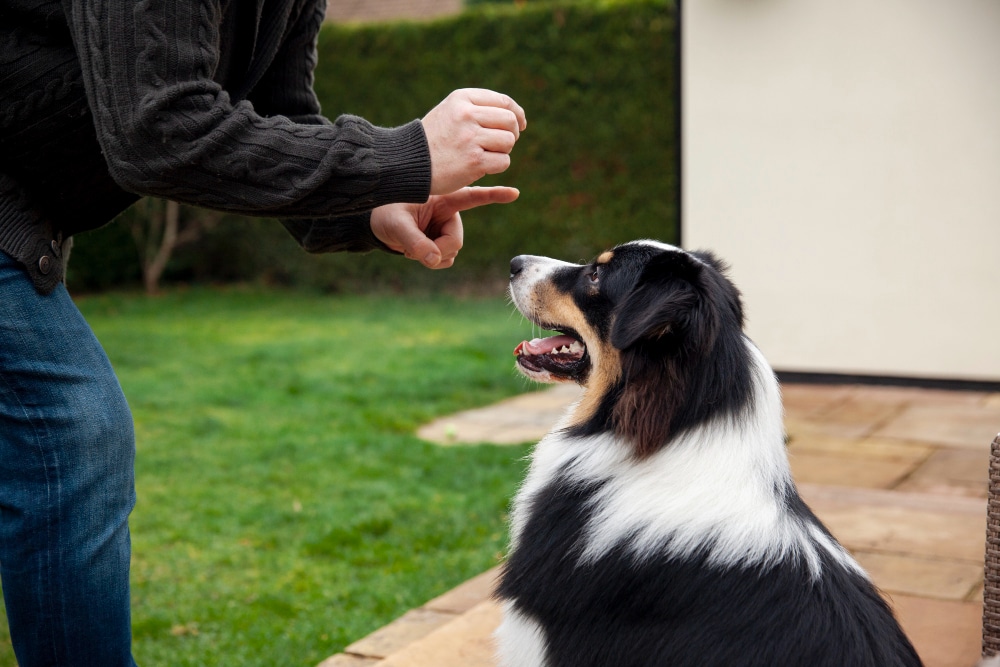
Think of a dog trainer as a coach for your pup. They teach them how to behave well, both at home and out in the world. Dog trainers focus on cues like sit, stay, and come. They also work on leash training, stopping excessive barking, and other common doggy challenges.
Dog trainers usually use positive reinforcement to encourage good behaviour. They not only train your dog but also show you how to keep up the training at home. So, they’re helping both you and your furry buddy to understand each other better!

What’s a vet behaviourist?
If you think your pet needs to see a cat/dog behaviourist, know what you’re looking for. As it happens, anyone dealing with companion animal behaviours is by definition a pet behaviourist. However, vets that go the extra mile to qualify as specialised animal behaviourists are actually called veterinary behaviourists.
A veterinary behaviourist is a specialist term, and these are highly qualified people, definitely the ones you want to be going to for serious problem behaviours:
“They not only have a really good understanding of behaviour and training techniques, but also of the physiological and pharmacological factors that can play a role.”
Pharmacological refers to medications that can help dogs learn and adapt behaviours to get them back on the right track.
Vet behaviourists can prescribe medications if needed, but they also use other strategies like behaviour modification techniques. Basically, they’re the go-to pros for pets with complex behaviour problems that might have a medical root.

Trainer or vet behaviourist: Which one should I choose?
With their years of study on animal behaviour, a vet behaviourist is likely the best person to go to when it comes to problems like anxiety, aggression, or fear. They’re all about understanding the ‘whys’ behind behaviours and often work with more complex issues.
Here are some examples of situations where bringing in a behaviourist can help:
- Obsessive-compulsive disorder in dogs
- Your dog is scared (perhaps from a past trauma, like another dog bite, or abandonment)
- Your dog bites another dog (or is showing undue aggression)
- If it’s a case of ‘my dog bit me’ (or another person)
- There’s friction between dogs and kids (don’t wait ’til it’s too late)
On the other hand, a dog trainer is like a teacher. They focus on teaching dogs specific skills and cues like sit, stay, or heel. Their job is more about training dogs to behave well in everyday situations, like walking nicely on a leash or not jumping on guests.
“Whether you’re looking for someone to set your puppy on the right track to learn good behaviours and good manners, you’re much more likely to go to a dog trainer who may well have some good knowledge around behaviour and modifying poor behaviours,” says Dr Watson. “But if you’ve got a specific behavioural problem with a dog who’s causing damage to themselves, the environment or you, then I would strongly recommend you go and seek help from a veterinary behaviourist.”

FAQ
Unlike a vet behaviourist, dog trainers don’t have a strict set of credentials. Nevertheless, there are certain qualifications and experiences that are really valuable.
Firstly, many dog trainers have a background in animal behaviour or veterinary studies. It’s not always a must, but it helps to have some formal education in animal sciences.
Then, practical experience is key. This could be through volunteering at animal shelters, working with experienced trainers, or even training their own dogs. Hands-on experience is where they learn the most.
Lastly, a good dog trainer is always learning. They stay updated with the latest training methods and animal behaviour research. It’s about ongoing learning and adapting to new techniques.
“Whatever you’re doing, anytime you’re looking for a dog trainer or help with behaviour issues, my strong recommendation is that you go and check the Association of Professional Dog Trainers New Zealand,” says Dr Watson. “These are people who will follow a code of ethics. and also using current training methods.”
In New Zealand, becoming a pet behaviourist involves a blend of formal education and hands-on experience. Here’s the lowdown:
Most pet behaviourists start with a degree in a field like animal science, veterinary science, or psychology. This gives them a strong foundation in understanding animal behaviour.
After their degree, they often go for further specialised training or postgraduate studies in animal behaviour. This could be a course or certification specific to pet behaviour. Practical experience is crucial. This means working with a variety of animals and behavioural issues, often under the guidance of experienced behaviourists.
In New Zealand, there are certifications available through organisations like the New Zealand Companion Animal Council (NZCAC). Some behaviourists also seek international certifications to broaden their credentials. The field of animal behaviour is always evolving, so staying up-to-date with the latest research and methods is key.
Insurance for the unexpected
PD is the award winning pet insurance recommended by many NZ vets. With pet insurance, non-routine vet visits, hospital care, medication, third party liability cover and so much more are part of the plan.
Not convinced? Find out everything about pet plan shopping in NZ to be sure and get a quote by clicking below.