
If you’ve been Googling ‘pet friendly pest control near me’ then we’ve got some tips. Ensuring pest control is safe for your dogs, cats or other pets is crucial. Thankfully, there are several precautions to keep pets safe during pest treatments.
In this article, PD Insurance outlines safety measures to take in advance, during and after pest control treatment. Find out how to protect the creatures we love whilst managing and removing those we’d prefer not to share our homes with, here.
In this article

1. How to choose a pet friendly pest control near me
Pest control is most effective when it’s approached as teamwork. You know your home best, but you need a reputable pest controller to weigh in with their expertise. The best way to ensure the pest treatment is effective and safe is communication in advance – by asking how they will approach pet safety during pest control.
When choosing a pestie the first step is to let them know what type and how many pets you have. This way they can plan around you and your fur babies. If they know you have a dog, for example, this may dictate what type and where they set pest traps or bait.
After all, no one wants their dog eating rat bait (or any bait) ever!
If you’re still searching ‘pet friendly pest control near me’ then you can share this information with a handful of pest controllers. Their response should involve a game plan on how to keep pets safe during pest treatments.
The pest controller that outlines how to achieve this most simply and effectively is likely the one you’ll choose.
2. What to expect from pet friendly pest control?
Even though pest control products are getting safer, in reality, pets and people often shouldn’t be in direct contact with them. As a pet parent, you’ll know this is especially a concern with pets who love to smell (and taste) random things!
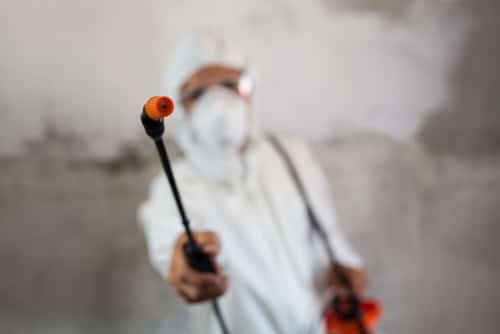
Any professional pest controller is going to want to do the best thing by you and your family members. You should be able to expect them to be very mindful of your pets as they go around spraying, setting traps and so on.
Besides readily providing you with advice on how to keep your pet/s safe, there are a few technical requirements too. You can expect the following from pet friendly pest control:
- Pest controllers should be able to show you their Safe Work Method Statement
- They should conduct a thorough risk assessment before applying any chemicals to the property
- According to Pest Control New Zealand, pest controllers should only use pesticides approved by the Australian Pesticides and Veterinary Medicines Authority
Not only is this an essential step to keep pets (and humans) safe during pest treatments but it’s also part of effective pest control.
Speaking of safety for our furkids, also read about home renovations and pet safety.
3. Keep pets safe and away during pest treatments
The best way to keep pets safe during pest control treatments is – unsurprisingly – to remove them from the area. If they’re not there they can’t be harmed in any way. That might mean taking them to a family member’s home, to work, to doggy daycare or to a boarding kennel.
Find out more about these and other options here:
- Booking in at a good doggy daycare
- Calling on the pet sharing community
- Booking pet sitters or kennels
- Booking pet boarding
Obviously this isn’t always possible. But if they are still at home during the treatment then safely restrain or cage them as far aware from the work area as possible. A dog pen or crate could assist in safely confining your pet during the treatment.
These can be hired if you don’t have one, or you could potentially borrow one from a friend or vet. Find out more about crate training a puppy and choosing a pet carrier or crate.
If the backyard is the problem spot, your pet should be kept inside for as long as advised. (Find this out during step 1). In this instance, it’s important to close all entry points to the home (windows, cracks under doors, etc) so chemicals can’t blow inside.

4. Keep pet food safe during pest treatments
So you’ve done the groundwork finding a ‘pet friendly pest control near me’. You’ve had an open convo with them about your pets and their safety measures. You’ve got your steps for ensuring pest control is safe for dogs, cats and other pets by safe distancing.
Now you need to remember to cover your pet’s food and water bowls until the pest treatment is well and truly over. Even better, thoroughly clean them with detergent or put them through the dishwasher before filling them with fresh food and liquid.
Pest Control New Zealand says pest controllers should “Never apply pesticides on surfaces where food is stored, prepared or consumed – including pets’ food.” Additionally, this means kitchen areas should only be treated with “pesticides specifically approved for use in kitchens/food areas.”
Your furry friend shouldn’t be returned to the area until the products used have completely dried and spray drift cannot occur.
Ask your pestie about the best timing that keeps pets safe during the pest treatment. There’s no one size fits all and this will depend on the tailored pest control treatment, from products to placement.
5. Cover any pet tanks
Ensuring pest control is safe isn’t limited to dogs, cats and other pawed creatures, of course. Scaley critters need protecting, too.
If the treatment is going to be indoors then make sure you cover any fish or reptile tanks with a heavy blanket. The blanket should cover the tank completely – including the filter – and prevent outside air from seeping in.
Alternatively, fish or reptile tanks could be moved to a room in the house that’s not being treated. Even so, still cover the tank with a blanket and place a door snake or rolled up towel at the bottom of the door.
6. Keep feathery pets safe during pest treatments
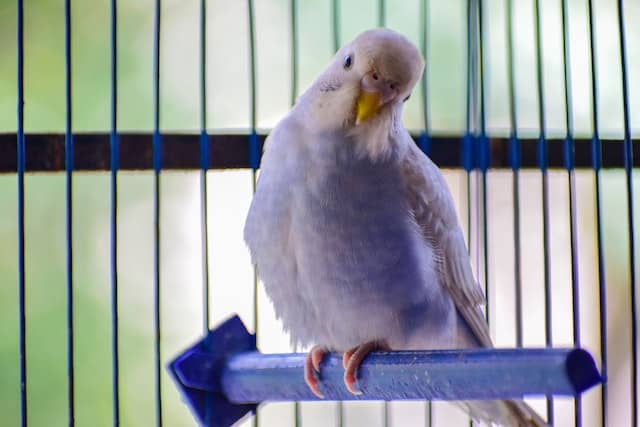
If you have a bird, it’s important to move it well away from the treatment area. Birds have delicate lungs thanks to their super-efficient respiratory system – hence they’re such good singers! And why it’s crucial to keep them well away.
If the treatment area is inside, move the bird cage outside. Ideally, as far from the home as possible. You should take the added precaution of covering the cage with a sheet or blanket.
Also ensure the windows are closed during the treatment, so chemicals don’t drift out and reach your tweeter. Don’t return it to the treatment area until the chemicals have dried and the room has been sufficiently aired.
If the treatment area is outside and you have birds in aviaries then temporarily house them indoors in smaller cages. Again, ensure all windows are closed and double check with your pestie on when to move birds back again.
7. Cover them for the unexpected
Now that you’ve got checks to help make the pest control process safe for your dogs, cats or other pets here’s another safeguard: pet insurance.
No matter how good a cat or dog parent you are, accidents and illness can still get under your pet’s fur. When this happens, having pet insurance means saying yes to a wide range of pet medical care, without second guessing the costs.
Plus, you could get 1 month free when you sign up.
*PD Insurance is the winner of the 2026 and 2023 MoneyHub Editor’s Choice Favourite Pet Insurer Award, 2024 Reader’s Digest Silver Pet Insurance Award, and 2022 Canstar Most Satisfied Customers Award for Pet Insurance.