
Pet insurance claims make one thing clear: our fluffy children need vet care just like we occasionally need doctor’s care. After looking back at 2025 claims data at PD Insurance, we’re glad we could give our customers a soft landing on their vet bills.
From itchy skin and upset stomachs to territorial cat fights and dogs eating whatever they can find, some conditions pop up again and again. Below, we unpack the 20 most common pet claims, dog claims and cat claims that PD Insurance saw in 2025. We go into why they affect pets so frequently, why dogs and cats differ, and why these problems often require a trip to the vet.
In this article
Estimated reading time: 10 minutes
Top pet insurance claims overall (dogs + cats)
1. Skin allergies
Skin allergies were the most common claim type for cats and dogs. About 1 in 5 PD-insured pets needed the vet for itchy skin last year!
Skin allergies are a very common ailment for pets around the world. However, our climate can make triggers like grass, pollen and fleas more active year-round, which means some pets may experience flare-ups more often.
And once a pet starts itching, licking or chewing their skin, it’s very easy for secondary infections to develop. These cases usually need vet treatment because they often require prescription medications, allergy testing, or long-term management plans, not just a quick fix.
A big thank you to our PD customers who shared some of their claims experiences in our Human-Pet Bond Survey:
“Pet insurance helped when Skye had a grass allergy and was very uncomfortable with it. There was no problem getting her sorted at the vet.”– Heather, Auckland
2. Accidental ingestion
Coming in as your number two pet insurance claim is accidental ingestion – the term we use for pets swallowing things they shouldn’t. Pets are naturally curious, and many have no concept of what’s dangerous. Dogs are the main culprits when it comes to ingestion claims.
Ingestion cases almost always need a vet visit because foreign objects can cause intestinal blockages, internal injuries or toxicity. X-rays, ultrasounds and sometimes surgery are needed to work out what’s going on — and fast action matters.
“Our boy managed to swallow a 14cm piece of grass that didn’t break down, but was stuck from his nostril all the way down to his throat. We were able to take him to the vet straight away to get the service needed and refunded within days of submitting the claim. No stress on top of stress.” – Michelle, Wellington
3. Ear infections
Ear infections made up a sizeable chunk of our top 20 claims and are common in pets thanks to moisture, allergies and ear shape. Floppy-eared dog breeds are particularly prone, but cats can also suffer from ear mites and infections.
These are painful conditions that rarely resolve without vet-prescribed ear drops or oral medications. Left untreated, they can become chronic or even affect hearing.
“My dog had an inner ear infection that caused severe vertigo. She couldn’t stand. She went to VSA for a head scan plus overnight treatment and onto a skin specialist. Nearly 10k in costs. PD Insurance covered everything to my great relief. Thank you.” – Debra, Auckland
4. Gastroenteritis
Gastroenteritis is a broad term for vomiting and diarrhoea caused by infections, diet changes, parasites or eating something they shouldn’t.
Because dehydration can happen quickly, especially in smaller pets, vets often need to step in with fluids, medication and monitoring.
“When my youngest dog was 2 he got very ill with a gastro bug and spent 2 days at the emergency vet and 2 days at my vet for treatment. The bill was huge but luckily covered by my insurance.” – Sharon, Auckland
5. Vomiting
Vomiting is one of the most common reasons pets end up at the vet, which is why it regularly appears as a high claim type. While it might seem like a minor issue, vomiting is often a sign that something isn’t quite right.
Pets, especially dogs, are naturally curious and often eat things they shouldn’t, from spoiled food to household items. This can easily lead to stomach upset and vomiting. It can also be linked to illnesses like gastroenteritis, infections, parasites, or even more serious conditions such as pancreatitis.
Because vomiting can sometimes signal something more serious, many pet parents choose to take their pet to the vet quickly, which contributes to the high number of claims. In some cases it’s a simple stomach upset, but in others it may require tests, medication, or ongoing treatment.
6-20.
Together, limb injuries, bite wounds, abscesses, diarrhoea and grass seed infections made up a large portion of the top 20 claims for dogs and cats.
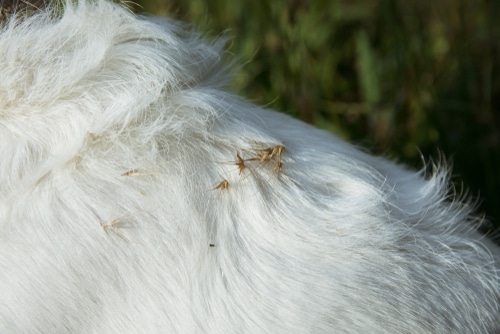
You may be surprised to see how common grass seed infections are in pets. Grass seeds are typically small, sharp and designed to move forward — which means once they enter a pet’s skin, ears, nose or paws, they don’t come back out on their own.
They can cause intense pain, infection and tissue damage, and often need to be removed under sedation. Spring and summer are peak season for these claims in New Zealand.
“Meg had a grass seed up her nose that needed emergency surgery to remove. We could afford it, but getting the money back was an added bonus!” – Scarlett, Canterbury
Top 20 pet insurance claims
- Ingestion
- Allergy – skin
- Infection – ear (otitis)
- Gastroenteritis
- Vomiting
- Limb injuries
- Bite wound
- Abscess
- Diarrhoea
- Grass seed
- Allergic reaction
- Lameness
- Cruciate ligament rupture
- Injury – nail
- Pain
- Infection – lower urinary tract
- Conjunctivitis
- Pancreatitis
- Eye Injuries
- Tooth extraction
Pet insurance claims for dogs
While many pet insurance claim types overlap between dogs and cats, dogs have some very clear stand-outs — largely driven by their lifestyle, behaviour and anatomy.
1. Accidental ingestion
Accidental ingestion is the number one most common dog claim type, making up the biggest chunk of the top 20 dog claims. Dogs are enthusiastic eaters and famously bad at judging what’s safe, which leads to swallowed toys, socks, bones and toxic household items.
Ingestion cases often need urgent vet care, diagnostic imaging such as X-rays or ultrasounds, and in serious situations, surgery. Quick treatment can be life-saving.
“Daisy swallowed a stone at 12 weeks and needed major surgery. We thought we were going to lose her. PD Insurance were amazing and it took the financial worry out of the equation.” – Steve, Waikato
2. Skin allergies
Skin allergies are number two for dogs. Dogs are especially prone to environmental and food-related allergies, and once the itch cycle starts, it can quickly spiral into secondary infections.
Chronic skin allergies often require ongoing vet care, including prescription diets, medications, allergy testing and long-term management plans. This is why they’re one of the most common reasons dog owners claim.
3. Ear infections
Ear infections account for the third most dog claims. They’re far more common in dogs than cats because of their unique and complex shape of their inner ear. And of course, floppy ears, hair-filled ear canals, allergies and moisture all create ideal conditions for infections to develop. Without proper treatment, ear infections can become painful, chronic and expensive to manage
4. Gastroenteritis
Gastro, vomiting and diarrhoea caused by infections, diet changes or scavenging, makes up the fourth most dog claims in the top 20. Because dehydration can happen quickly, especially in smaller dogs, vets often need to provide fluids, medication and monitoring.
5. Limb injuries
Limb injuries account for 5% of pet insurance claims for dogs and are often linked to high-energy play, sudden twists and active outdoor lifestyles. Running at parks, beaches and backyards puts strain on joints, muscles and ligaments.
These injuries can range from mild sprains to fractures and ligament damage, and often require imaging, pain relief and rest.
“Recently my dog broke her leg and unfortunately ended up having to have it amputated. PD has been amazing and made claiming super easy and took the stress of finances away so I could focus on her and her care. Thank you” – Nicole, Wellington
6-20.
Together, diarrhoea, grass seed infections, allergic reactions, bite wounds, lameness and cruciate ligament rupture made up a significant portion of our top 20 dog claims.
As mentioned, grass seeds often require removal under sedation. Read about this brave Labrador Retriever, Romeo, who got a very serious grass seed infection – luckily his vet bills were covered by PD.
Top 20 pet insurance claims for dogs
- Ingestion
- Allergy – skin
- Infection – ear (otitis)
- Gastroenteritis
- Injury – limb
- Diarrhoea
- Grass seed
- Allergic reaction
- Bite wound
- Lameness
- Cruciate ligament rupture
- Injury – nail
- Pain
- Abscess
- Pancreatitis
- Conjunctivitis
- Infection – lower urinary tract
- Cyst – sebaceous
- Tooth extraction
- Removal – growth
Pet insurance claims for cats
Cats show a very different claim pattern to dogs, strongly influenced by territorial behaviour, outdoor roaming and urinary health.
1. Abscesses
Abscesses are the most common cat pet insurance claim type, accounting for 18.91% of the top 20 claims. They usually develop after bite wounds from fights with other cats.
Because bite wounds seal over quickly, bacteria get trapped beneath the skin, leading to painful infections that almost often need vet treatment.
2. Bite wounds
Bite wounds make up a further 16.10% of cat claims. Even small puncture wounds can cause serious infections, which is why prompt veterinary care is essential.
Routine pet care can help you spot injuries in time that may otherwise go unnoticed. Especially given how well cats can conceal pain, while fur can conceal the wound itself! Together, abscesses and bite wounds account for more than a third of common cat claims.
3. Vomiting
Vomiting is responsible for 7.33% of cat claims. While hairballs are a common cause, vomiting can also signal dietary issues, infections, foreign bodies or underlying disease.
Cats are very good at hiding illness, so vomiting often indicates a problem that’s already progressed.
4. Accidental ingestion
You may think it’s only dogs that swallow things they shouldn’t, but accidental ingestion accounts for 7.07% of cat claims! Cats gobble up string, toys, plants or toxic substances, often without owners realising until symptoms appear. These cases often require imaging and close monitoring.
“My cat swallowed a piece of string and it got caught around his tongue so it couldn’t pass on its own. He had to have emergency surgery and a few nights stay at the clinic, I was so grateful for insurance and it was all so easy and stress-free in an already stressful situation.” – Tarrin, Gisborne
“When our cat Kevin swallowed string – he got very ill. We took him to the vet and after xrays, they also discovered a few other items he’d swallowed like a piece of lego, a button and end of a zip. After medication and observation at the vet clinic over a few days, he eventually passed the string and items without surgery being necessary. Whew! Thanks to insurance, we weren’t too stressed out about the vet bill!” – Katie, Auckland
5. Limb injuries
Limb injuries make up 6.99% of cat pet insurance claims and are often caused by falls, misjudged jumps or outdoor accidents. Despite their agility, cats are still vulnerable to fractures and soft tissue injuries that require veterinary care.
6-20.
Together, urinary tract infections (4.94%), skin allergies (3.83%), gastroenteritis (3.83%), diarrhoea (3.07%) and eye injuries (2.73%) made up a large portion of the remaining top 10 cat claims.
Urinary issues such as cystitis are especially common in cats and can become serious quickly if not treated, particularly in male cats.
Top 20 pet insurance claims for cats
- Abscess
- Bite wound
- Vomiting
- Ingestion
- Injury – limb
- Cystitis
- Gastroenteritis
- Diarrhoea
- Allergy – skin
- Injury – eye
- Urinary tract obstruction
- Infection – eye
- Blocked bladder
- Lacerations
- Infection – upper respiratory tract
- Hit by car
- Lethargy
- Infection – bite wounds
- Infection – lower urinary tract
- Constipation
What these pet insurance claims tell us about Kiwi pet health
Looking at the most common pet insurance claims, one thing is clear: many of the issues sending pets to the vet are hard to predict or prevent.
From sudden injuries and accidental ingestion to chronic skin conditions and urinary problems, even well-cared-for pets can need unexpected vet treatment. Dogs tend to get into trouble through curiosity and high-energy play, while cats are more affected by fights, abscesses and urinary health issues — especially those that roam outdoors.
What these claims also highlight is how quickly costs can add up. Diagnostics, medication, surgery and ongoing management are often essential, not optional, when a pet is unwell or injured.
Pet insurance for when you need to claim
Pet insurance helps take the financial stress out of making head over heart decisions for your fluffly child. Instead of weighing up cost versus care, you can focus on getting them the treatment they need, when they need it.
PD Insurance is pet insurance by pet people. We help cover the claim types listed above and a range of other unexpected vet visits subject to the policy terms outlined in your Product Disclosure Statement (‘PDS’) and Certificate of Insurance (‘COI’). You pay your vet, submit your claim, and we reimburse you – fast.
Plus, if you sign up, you get 1 month free pet insurance on us.