
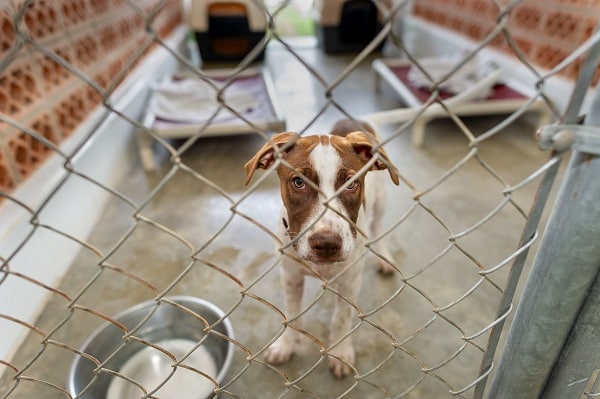
There’s been an increase in dogs in New Zealand pounds. The rising cost of living has lead some pet parents to surrender their animals, and we’ve seen a jump in the pet population due to the pause in desexing during Covid-19. So what happens to dogs in NZ shelters?
We know that the first port of call is to try and rehome dogs, but what happens if there are behavioural issues or if they can’t be rehomed?
In this article
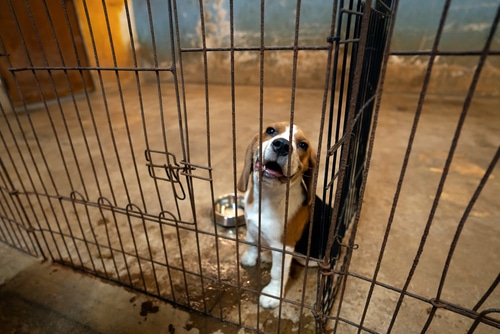
Dogs in NZ pounds, the numbers
As mentioned, animals surrendered, abandoned, or ending up in shelters has increased in New Zealand.
The SPCA alone reported 5,000 animals in its care in 2023, which represents a 10% increase compared to the previous year.
There’s also been a dog population spike. In Auckland alone, the known dog population increased by 5.5% in 2022. This has been attributed to desexing being put on hold during the Covid-19 lockdown.
Helping You Help Animals (HUHA), a national animal welfare group also reported an influx of various species, including dogs, cats, turtles, horses, cows, and pigs, across its five North Island shelters in the last few years.
Read more here: NZ Shelters Speak Out About Abandoned Pets on the Rise
How do dogs end up in the pound?
Pets may end up in shelters for several reasons:
- Owner surrender: Sometimes, pet owners are unable to continue caring for their pets. This could be due to changes in circumstances such as moving to a new home, financial difficulties, allergies, or personal reasons. In such cases, they may surrender their pets to shelters in the hope that they will find new homes.
- Strays: Pets can become lost or stray from their homes for various reasons. They could have escaped from yards, got lost during walks, or be abandoned. Animal control or concerned citizens may pick up these stray pets and bring them to shelters in an effort to reunite them with their owners or find them new homes.
- Abandonment. Unfortunately, some pets are abandoned by their owners, either intentionally or unintentionally. This could happen due to neglect, abuse, or simply because the owner no longer wants to take care of the pet. Abandoned pets often end up in shelters where they can receive proper care and attention.
- Rescue operations. Some pets are rescued from situations of neglect, abuse, or cruelty by animal welfare organisations or law enforcement agencies. These pets are often brought to shelters where they can receive medical treatment, rehabilitation, and eventually be placed in loving homes.
- Natural Disasters. During natural disasters such as floods, hurricanes, or wildfires, pets may become separated from their owners or displaced from their homes. Shelters often play a vital role in providing temporary housing and care for these pets until they can be reunited with their families or placed in new homes. By the way, if you’ve found or lost a pet in a fire or flood, here’s what to do.
What happens to to dogs in NZ pounds?
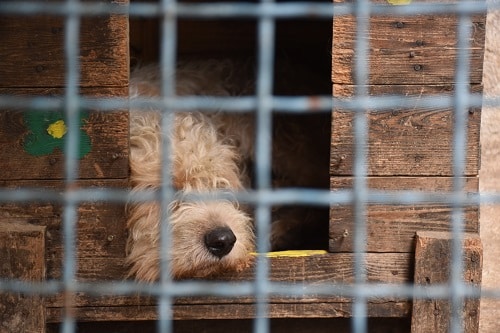
In New Zealand, dogs that end up in pounds typically go through a process governed by local councils or authorities. The fate of these dogs can vary depending on several factors:
Rehoming
Many pounds and shelters in New Zealand work to rehome dogs that are brought in. They assess the temperament and health of the dogs and try to match them with suitable adopters. Rehoming efforts the first option to give these dogs a chance at finding new loving homes.
Fostering
Some pounds and rescue organisations work with foster networks to provide temporary care for dogs until permanent homes can be found. This option helps relieve overcrowding in pounds and provides a more home-like environment for the dogs.
Behavioural and health rehabilitation
For dogs that may have behavioural issues or health problems, some pounds and shelters offer rehabilitation programs. These programs aim to address the specific needs of each dog, improving their chances of adoption.
Euthanasia
If a pet can’t be rehomed and isn’t considered suitable for adoption due to health or behavioural issues, they may be euthanised as an absolute last resort, following established protocols and guidelines.
We approached Kiwi vet, Healthy Pets New Zealand Chair and a proud PD contributor Dr Cath Watson for more information on this serious topic.
Says Dr Cath:
“The numbers of dogs that are euthanised by councils each year in New Zealand varies between different councils – but it’s a minority. Euthanasia is never going to be the first line of action taken for a dog because it’s not fun for anybody. Euthanasia means good death, but it’s ultimately still taking a life and that’s hard on everybody involved.”
When council picks up a dog, they’re required to hold it for seven days before any decision is made.
This is unless there are serious concerns for their welfare and euthanasia is likely to be in their best interest. For instance if there’s been serve illness or injury.
“In these cases, an animal welfare officer or a vet is required to sign off the decision to euthanise,” says Dr Cath.
Wherever possible, councils try to re-home dogs, either themselves or by working with a charity to help them.
“The big concern with any dog that ends up in care – whether it is through the council, a charity, or a foster situation – is that they can end up in that situation for an extended period of time, which is not good for their wellbeing or behaviour,” says Dr Cath. Read our interview with Dr Cath that looks at initiatives from Healthy Pets New Zealand.
Adopt, adopt, adopt
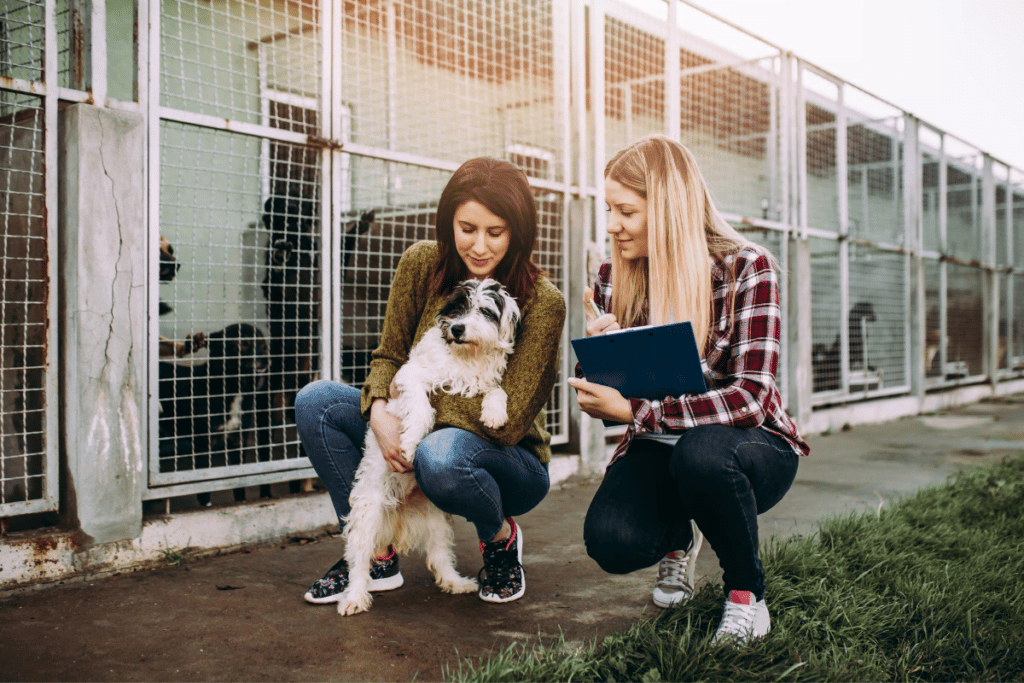
All this highlights why it’s so important to consider adopting a dog or cat. There are so many cats and dogs inthe pound that need loving homes!
NZ shelters can get seriously crowded. With so many dogs coming in, there’s just not always enough space or resources to go around. By adopting a dog from a shelter, you’re not only giving that pup a chance at a happy life, but you’re also freeing up space for another dog in need.
Plus, let’s not forget about the bond you’ll build with your new furry friend. There’s something really special about rescuing a dog and giving them a second chance. They’ll be forever grateful, and you’ll have a best friend for life. We’ve got plenty of resources on how to go about adoption, check them out here:
- 3 Reasons for Adopting an Adult Cat on Love Your Pet Day!
- Top Tips For Bringing Home An Adopted Dog
- Older Dogs For Adoption: Pros And Cons
- Retired Greyhounds Adoption In NZ
- Ready To Adopt A Cat, You Think? Read This First
- Dog Adoption Checklist For New Pup Parents
Insurance for your precious pet
Once you’ve adopted a dog from the pound, you’ll want to get them pet insurance to cover them in the case of an accident or emergency. It reduces the out-of-pocket expense for all kinds of unanticipated vet visits, prescription medication, treatment for accident and illness and more.
If you buy your pet pawlicy online with PD Insurance, you can also get one or more months for free! Why not take two minutes to get a quote? Click below to start today.