
Did you know that ”accidental ingestion’ – basically your dog swallowing something they shouldn’t – is consistently among our top claim types? And we don’t just mean the usual suspects like chocolate. In fact, harmful foreign bodies can range from items in your pantry through to toys, medication and clothing.
In this article, we look at why this is such a common issue for dogs, what the hazards are, and how to minimise the risk to your pup.
In this article
The top accidental ingestion hazards
As mentioned, accidental ingestion was among our top insurance claims for dogs. This covers all kinds of claims, from dogs who ate something poisonous and needed to be treated with drips or medication; through to dogs who had an obstruction; to dogs who needed surgical removal of objects from their trachea or stomach.
Every year poison, chocolate, plants and medication pop up on the list of commonly swallowed items.
But topping the list is the catch all ‘foreign body’ claim type that includes all sorts of things dogs shouldn’t ingest. If you’re wondering what ‘foreign objects’ these could include, the list is vast. Our claims manager cites some examples:
- Socks/ underwear
- Hair ties / scrunchies
- Tennis ball
- Rocks
- Kitchen twine
- Shoes /slippers
- Sanitary pads / tampons
We even had a claim for a Labrador who ate a pool cover and needed surgery to remove it. But more on that later!
The reality is that accidental ingestion of foreign bodies can have a wide variety of ramifications. This depends largely on what’s ingested. Dog and cat choking incidents are certainly one reason pets are rushed to the vet after eating something they shouldn’t, but poisoning/toxicity and obstructions further down the digestive system are more common.
Remember: If it fits in your dog’s mouth it can be a choking hazard!
Why accidental ingestion in dogs is common
Though cats also often swallow things they shouldn’t, it’s far more common in dogs. One reason is that dogs explore the world with their mouths far more than cats do. Puppies in particular go through a strong oral phase, similar to human toddlers. Chewing and mouthing help them investigate textures, scents and tastes. Cats tend to explore more with their paws and are usually more cautious about what they ingest.
Another factor is that dogs are opportunistic scavengers by nature. Their wild ancestors survived by eating whatever they could find, including bones, scraps and even indigestible material. That “eat first, assess later” instinct still sits in many domestic dogs. Cats, on the other hand, evolved as obligate carnivorous hunters. They are more selective and wired to focus on prey, not random objects.
The top accidental ingestion culprits
As mentioned, chocolate, plants, poison, medication and foreign bodies are some common hazards. Below, we take a closer look at each one.
Chocolate
On top of being poisonous to dogs, chocolate is a common accidental ingestion hazard for dogs because it’s everywhere — especially in homes with people who love sweet treats. Dogs are drawn to its rich smell and taste, and since many pet owners don’t realise how harmful it can be, it’s often left within easy reach. Think about holidays like Easter, Christmas, or Halloween when chocolate is abundant and not always stored securely. These are perfect opportunities for a curious dog to grab some!
Dogs also have a knack for sniffing out hidden treats. Even if you stash chocolate in a bag, drawer, or cupboard, a determined dog might find a way to get to it.
Plants
Your dog’s natural curiosity (or boredom) can lead them to sampling plants in your house or in the garden. Not only can swallowing large plant parts, husks or fronds lead to blockages in their intestines, but some plants are poisonous to dogs.
Here are just a few household/garden plants found in New Zealand that pose a hazard:
- Karaka berries
- Tutu
- Kowhai
- Oleander
- Foxglove
- Rhododendron
- Azalea
- Agapanthus
- Sago palm (cycad)
- Daffodil
- Tulip
- Hyacinth
- Hydrangea
To cover your bases, read about poisonous plants and a great resource to bookmark is this ASPCA list of toxic and non-toxic plants.

Accidental ingestion of foreign bodies like toys
Foreign bodies, specifically dog toys, can sometimes be dangerous for your pet. Dog toys are often a cause of accidental ingestion, and sometimes are swallowed and need to be surgically removed.
The first one you need to be aware of are rawhide toys, which can cause dog choking episodes when they get stuck in the throat. This is because dogs often chew off large chunks, which can be choking hazards or cause blockages. Plus, they can cause digestive problems and allergies due to the chemicals and flavourings used in them.
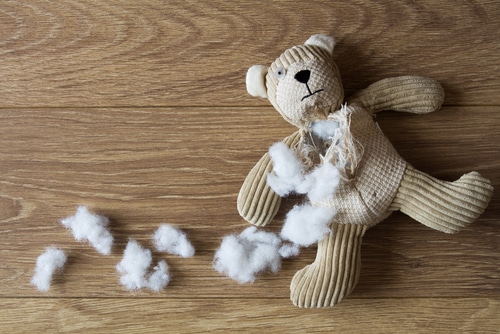
Secondly, stuffed or braided toys can be dangerous too. For dogs who tend to chew and destroy things, the stuffing or materials are often too easily accessible. This leads to dogs tearing the toys or shredding them up and swallowing large amounts of the material. Of course, this can be a dog choking hazard. But they can also ingest the toy materials with seemingly no issues. However, sometimes they need to be surgically removed because your dog can’t pass them.
Pssst .. are you currently experiencing the frenetic puppy chewing stage? Here’s our teething puppy survival guide to help get you through.

Poison ingestion
| Month | 2024 % | 2025 % |
| January | 7% | 6% |
| February | 8% | 8% |
| March | 8% | 5% |
| April | 10% | 10% |
| May | 8% | 7% |
| June | 7% | 9% |
| July | 10% | 10% |
| August | 10% | 9% |
| September | 9% | 12% |
| October | 11% | 10% |
| November | 7% | 5% |
| December | 5% | 9% |
Accidental poison ingestion includes everything from rat poison, weed killer and slug bait to household cleaning products and antifreeze. These substances, even in small amounts can cause symptoms like vomiting, diarrhoea, rapid heart rate, and seizures in your dog. In worst case scenarios, poisons can be fatal to dogs.
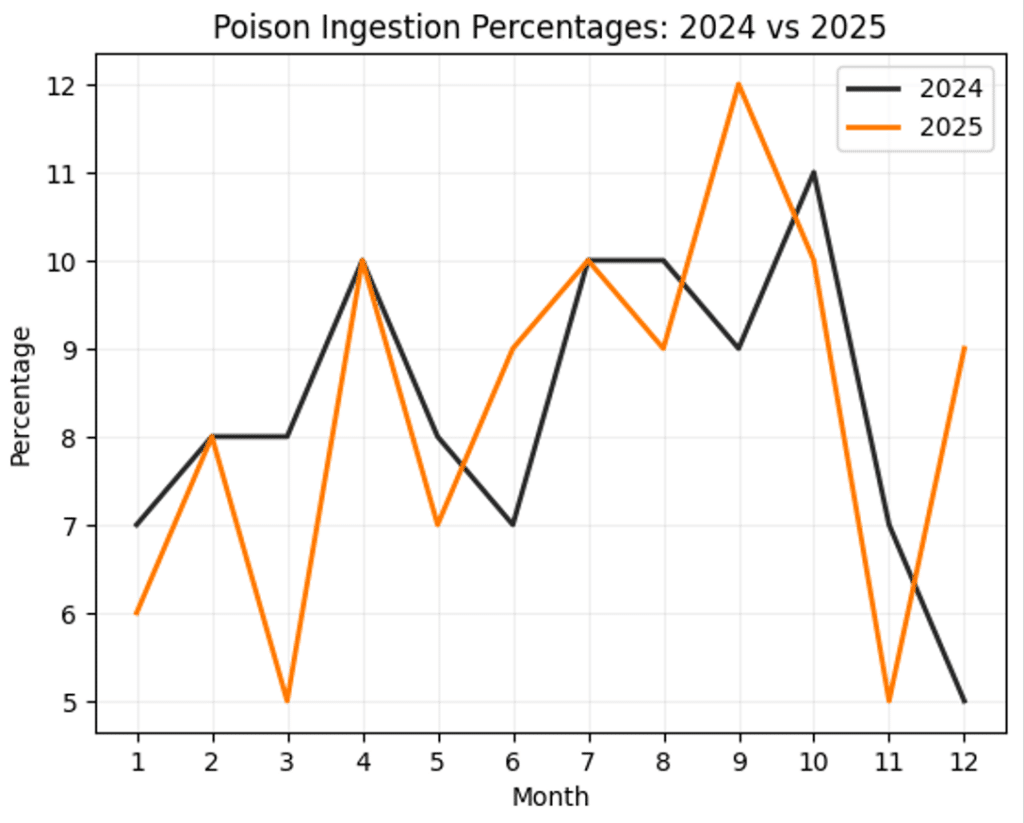
As you can see in our graphics – poisoning claims fluctuate throughout the year. This could be due to many things. Says Healthy Pets New Zealand Chair Hayley Hunt:
“At Easter, chocolate is the big issue, but there are also things like raisins in hot cross buns. It’s relatively rare for pets to eat poisonous plants outside – houseplants or lilies are more common so they aren’t usually seasonal as people have them all year round, but I would associate spring with people being out in the garden or bush more and therefore using/coming across rodenticides and insecticides.”
Medication
Human medication and supplements are also a common ingestion hazard – and that includes essential oils. While we do our best to stash these items away, our dogs can be masterminds in sniffling them out and gobbling them up.
Read ‘My dog ate my pills what should I do?‘ to hear about a PD pup named Hazelnut who ate 30 human heart medication pills.
7 ways to minimise accidental ingestion
Here are other must-know, practical tips to lessen the chance that your pup might eat and swallow something that can cause them trouble:
1. Dog/puppy proof your home
Think of it like baby-proofing but for your dog! Keep anything harmful—like medications, cleaning products, or human foods like chocolate—stored securely in high cupboards or locked cabinets. Dogs are clever, so don’t underestimate their ability to jump or nudge open a door. Here’s how to puppy proof your home.
2. Secure your trash
Dogs love exploring bins for tasty (but often dangerous) scraps. Use dog-proof bins or keep them behind closed doors to stop any scavenging.
3. Be careful with plants
As mentioned, make sure your houseplants and garden are dog-friendly to avoid accidental ingestion. Research what’s toxic to dogs and keep those plants out of reach or out of your home altogether.
4. Mind food and drink
Never leave human food unattended. Dogs are fast and sneaky, especially when something smells delicious. Be extra cautious during parties or holidays when tempting treats might be everywhere.
5. Train “leave it” cue
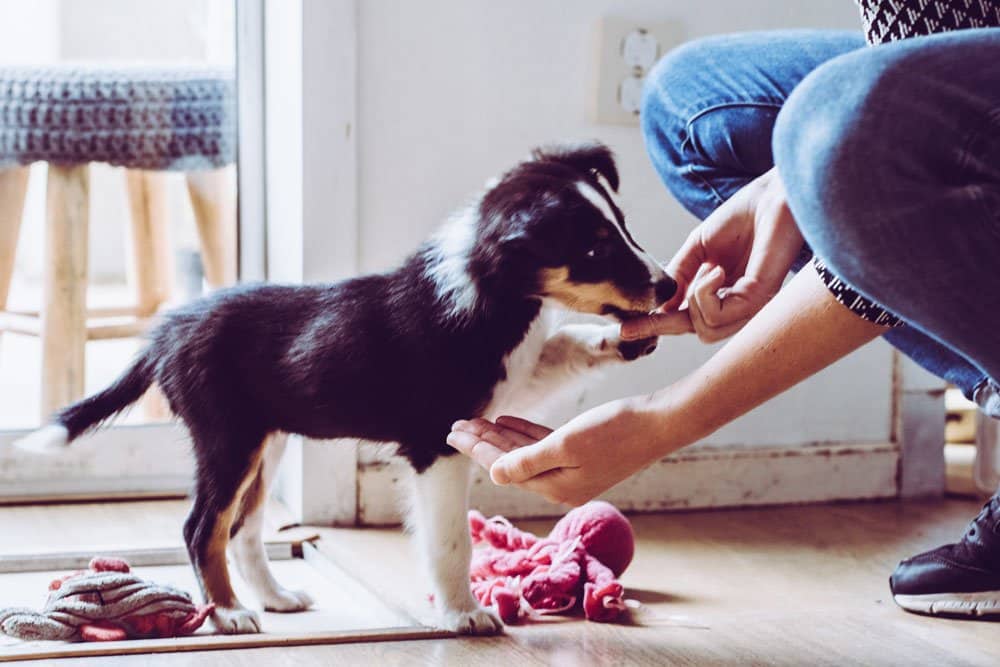
Teaching your dog a solid “leave it” cue can be a lifesaver. It’s especially useful during walks if they try to grab something harmful. Here are more dog training tricks to add to their repertoire.
6. Watch them outside
While on walks or in the garden, keep an eye on what they’re sniffing or chewing. Dogs can find hazards like wild mushrooms, karaka berries, or discarded food.
7. Use bitter sprays to fend off accidental ingestion
If your dog has a habit of chewing on furniture, wires, or plants, non-toxic bitter sprays can help deter them.
8. Educate guests
Let visitors know not to leave their food, drinks, or belongings (like handbags with medications) within your dog’s reach.
9. Emergency plan
Keep your vet’s contact info handy and know what to do in case of accidental ingestion of foreign bodies. Being prepared can make a huge difference.
Pet insurance by pet people
Could you cover your pup if they needed emergency vet treatment for accidental ingestion? PD Insurance helps pay for accidental ingestion on our Classic and Deluxe plans, along with a range of other unexpected vet bills.
PLUS, if you sign up with us, you can get 1 month free pet insurance – no matter what plan you choose. Not to mention we have some amazing discounts if you insure more than one pet. We even offer a switching fee if you’re swopping over from a different insurance provider!
For insurance that’s clear and uncomplicated, get a quote below.