
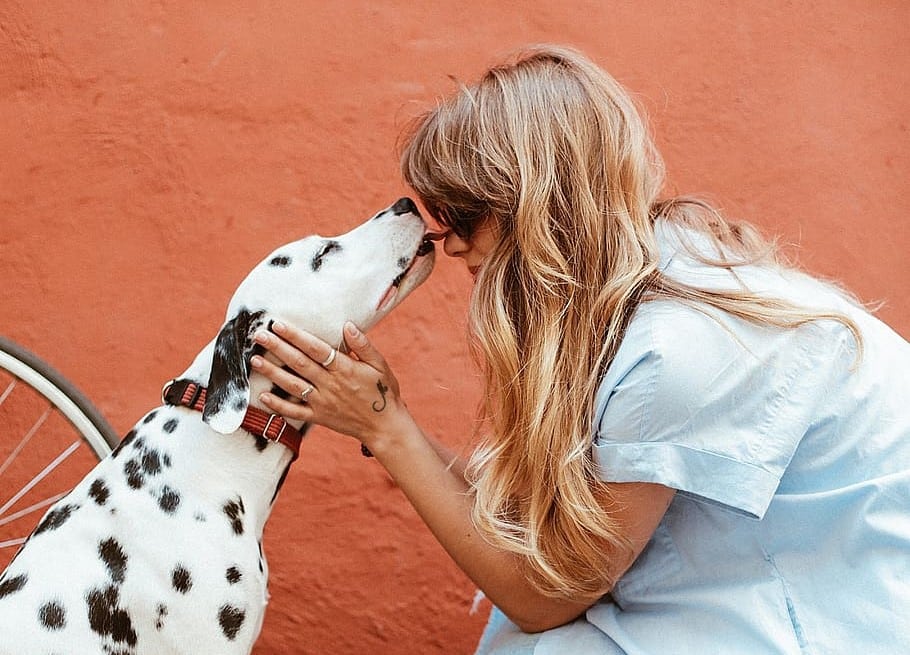
If you’ve ever wondered ‘are all dogs the same species‘ the answer is yes. Selective breeding specific dog traits has helped us create ‘families’ or breeds that have a particular set of characteristics. But essentially Great Danes and Pugs are the same (with the exception that one of them can’t sit on your lap).
If all dogs are made of the same stuff, then why are Dachshunds so long and why do Pugs have flat faces? Simply put, it’s a bit like if two running champions get married and have a child. That child will be likelier to have good running abilities. Another example could be two people with brown hair and green eyes, whose kids are also born with brown hair and green eyes.
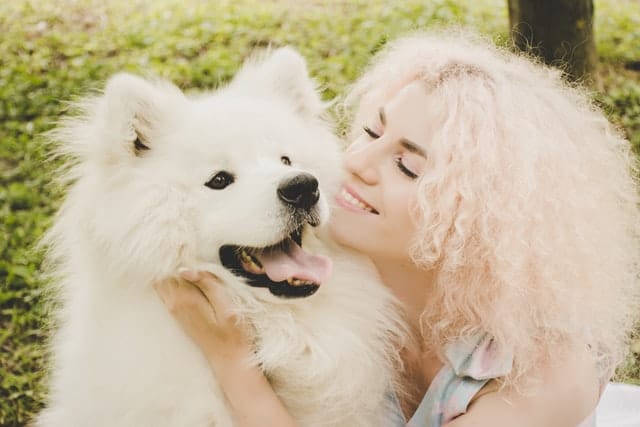
Selective breeding has given us 224 different breeds
Over the centuries humans have bred hundreds of different dog families, or breeds, through selective breeding. Today, our local kennel club recognises 224 different breeds of dog. Whoa!
Dogs are the first animal to ever have been domesticated – before cats, sheep or pigs. Read the why dog were domesticated to find out how it happened. In our International Women’s Day article, we share a recent study that points to women having first domesticated our canine BFFs.
Now, let’s take a look at four instances of selective breeding dogs for the following traits:
In this article
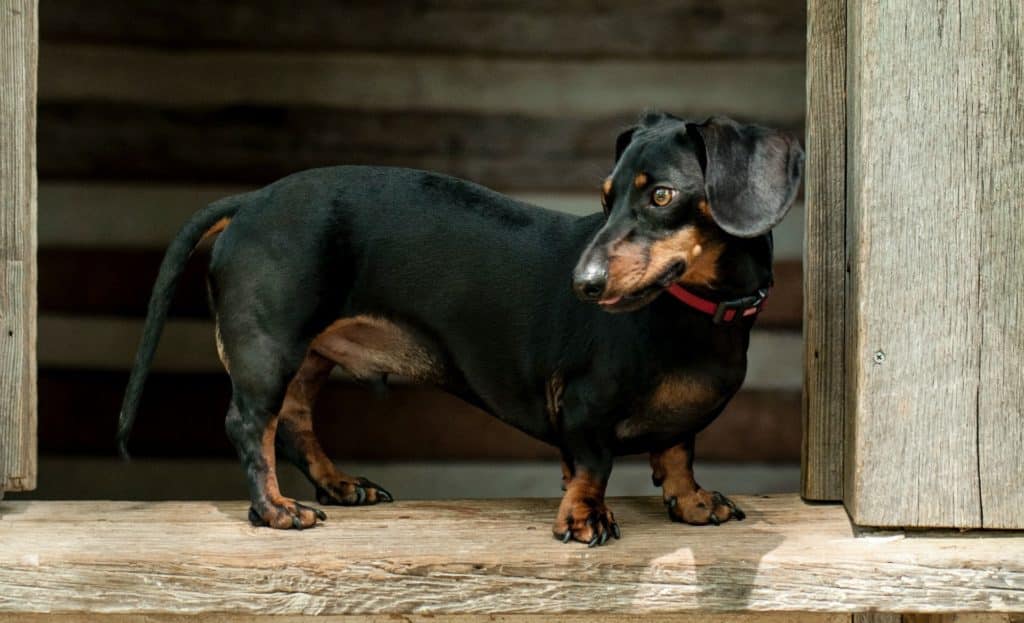
Why are Dachshunds so long?
Question: We all know and love the sausage dog, AKA the Dachshund, but how and why are these pups so long?
Answer: The answer may surprise you. Humans used a gene mutation known as Chondrodysplasia or dwarfism to stunt the growth of the legs of Dachshunds. These pups have regular torsos but shorter legs due to selective breeding for this dog trait.
Why: Dachshunds were bred for hunting badgers (which naturally have longer bodies and shorter legs). These pups needed to go where others couldn’t – down a badger’s burrow. Essentially if Game of Thrones were a dog movie, the Dachshund would be Tyrion Lannister. Unfortunately, this genetic mutation means IVDD in Dachshunds is a common health condition.
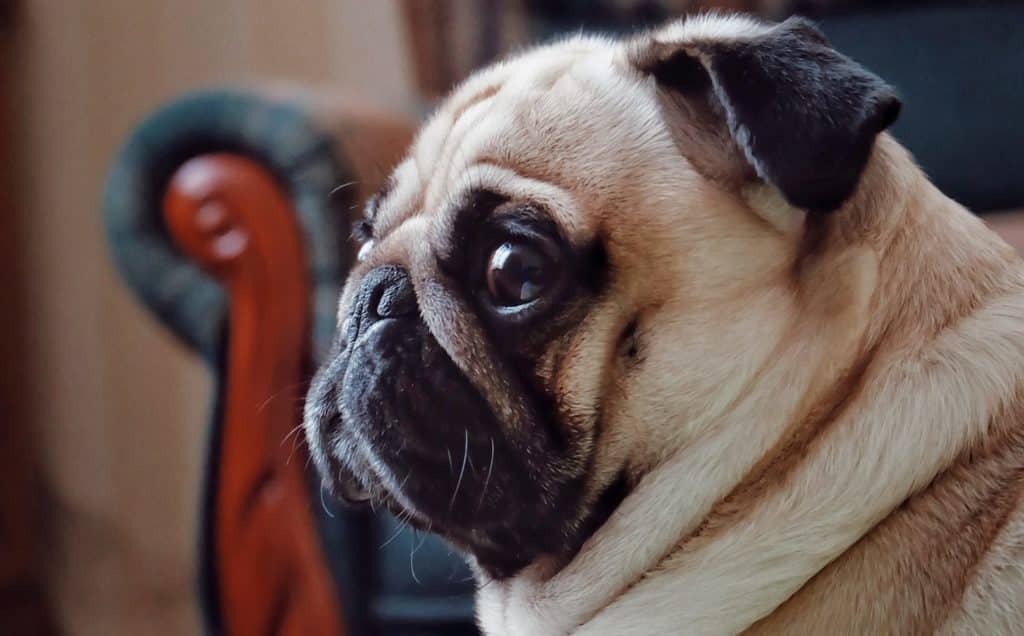
Why do Pugs have flat faces?
Question: Most dogs have long snouts, so why do Pugs have flatter wrinkled faces?
Answer: The flat-faced Pug is the result of selective breeding dogs with a genetic defect. By passing on the genomes that carry this defect in the bone of the face and skull, we’ve gradually created flatter more wrinkled faces in dogs.
Why: Humans have bred flat faced Brachycephalic dog breeds for cuteness.
As undeniably adorable as this look is, flat faced / brachycephalic breeds often can’t breathe easily and suffer heatstroke more easily. Read more about Pug history, personality and health needs.
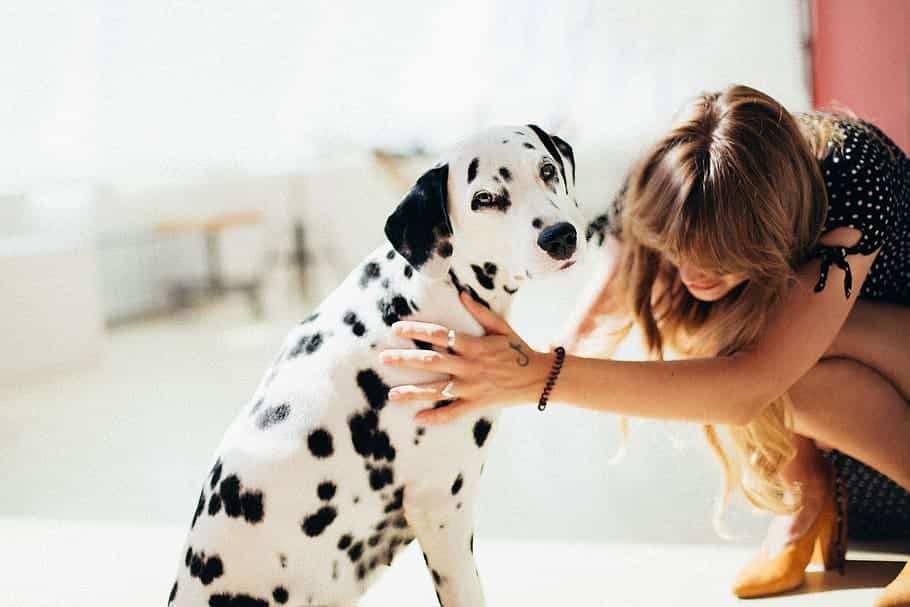
Why do Dalmatians have spots?
Question: Everybody loves 101 Dalmatians (the movie proves even Cruella is among their fans) but how did they get their spots?
Answer: Dalmatians’ signature spots have been bred through selective breeding dogs for bold spotting. The recipe is a combination of several genetic interactions. The prized Dalmatian spotting comes from the S gene (white coat), T gene (Ticking), Flecking gene and genetic mutation called the roan coat pattern.
Why: Spots will never go out of fashion – we love them! Besides being in some of the best dog movies around, Dalmatians have been known to grace the stage (and join the circus).
Selective breeding dogs with spots to create the Dalmatian has given us a pretty unique pooch. Sadly, this genetic combination also commonly leads to deafness and bladder stones.
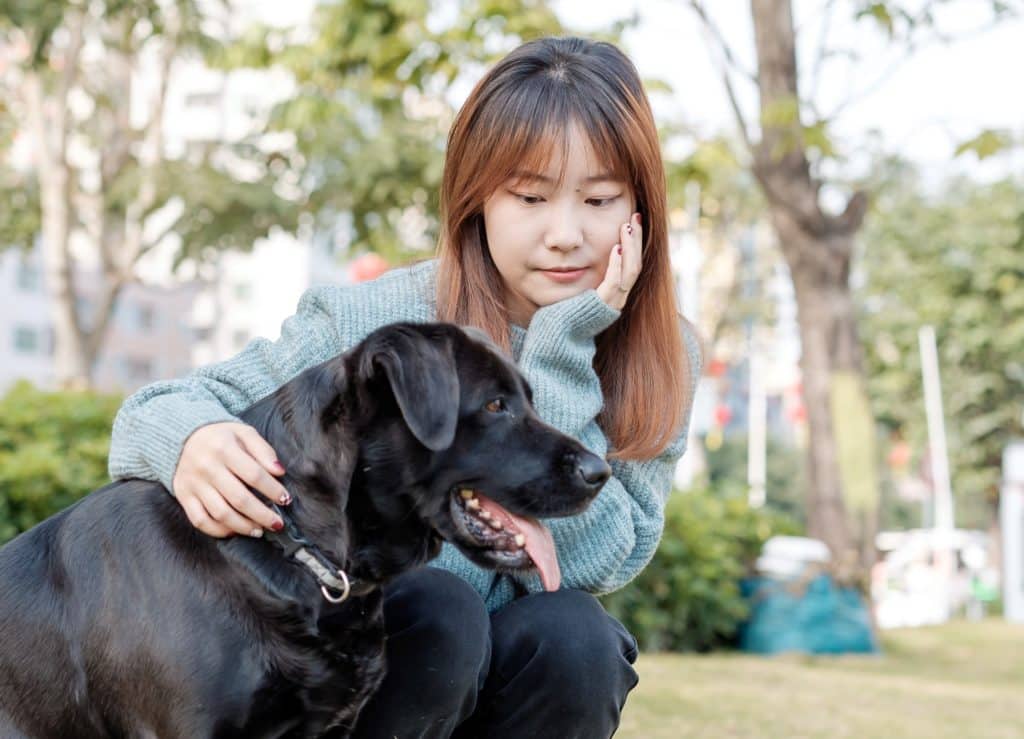
Why do Labrador retrievers have webbed feet?
Question: Labradors love swimming (always keep a close watch) but how did they get their webbed feet and beaver-like tail?
Answer: Although all dogs are the same species, centuries of selective breeding dogs with webbed feet (and a rudder-like tail) helped us make the Labrador.
Why: Labradors were bred to retrieve water fowl during hunting expeditions and fishing nets for fishermen. They needed to be good in the water and have a soft maw to retrieve these catches with the least amount of damage possible.
Read more about the Labrador retriever personality and find about about the adventures of two curious Labrador puppies.
Selective breeding dogs for specific traits
As you can see many of the purebred dogs we know and loved had a helping hand from humans. We’ve bred dogs to have long fur, short fur, height, strength, stamina, cuteness, display certain behavioural traits and more! So even though all dogs are the same species, we’re able to use these breed standards to identify different dog breeds!
We know that selective breeding dogs for certain traits can lead to health issues. However, it’s also possible to breed genetic problems out of family lines. Ethical dog breeders use dog DNA tests to check for genetic defects so they know which dogs to avoid using for breeding.
Selective breeding different dogs for different jobs
Humans have selectively bred dogs for different jobs and roles. The German Shepherd, Border Collie and New Zealand Huntaway, for example, are bred for herding. Rottweilers on the other hand could pull wagons with their super-duper strength.
Today lots of dogs are simply happy being pets (most still love a good job, though). Depending on their dog traits, dogs are grouped into seven categories. These include Toy, Terrier, Gundog, Hound, Working dog and Utility.
If you know which group your dog falls into, it could help you map out the ultimate exercise routine for them. We’ve made it easy with this guide to dog breed exercise requirements.
Protect your paw-pal with pet insurance
Whether yours is a pedigreed pooch or an amazing mutt, your pup may need medical treatment when you least expect it.
PD Insurance offers three dog insurance plans that give you a range of cover and pricing options. PLUS, you could get 1 month free* pet insurance when you sign up. Click below to get a quote.