
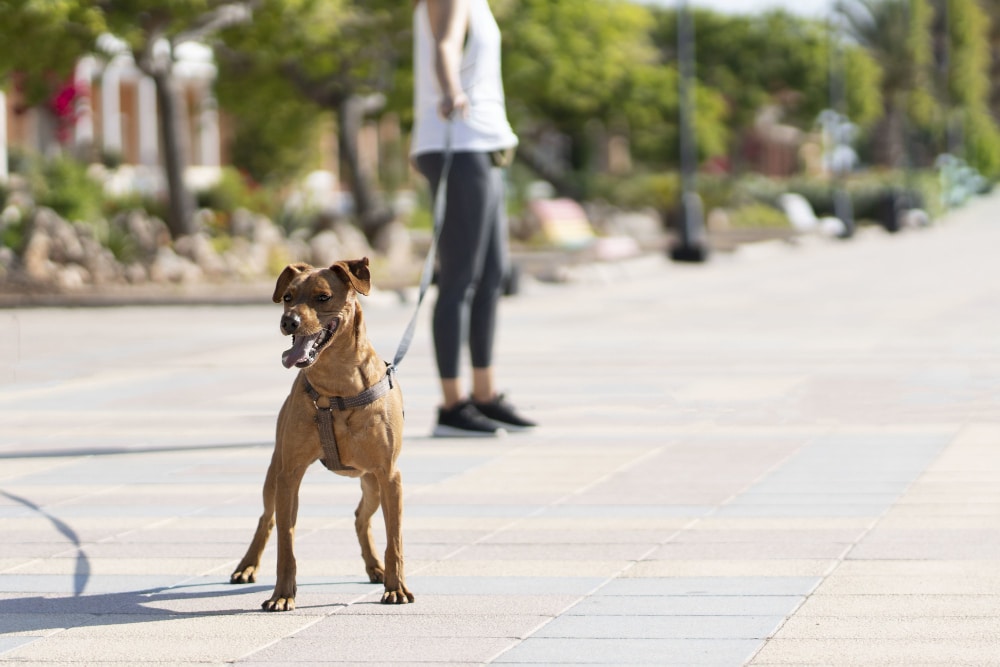
Most of us are worse at reading dog behaviour than we think. Dr Caralyn Kemp and Jo Thorne want you to picture a scene at your local park.
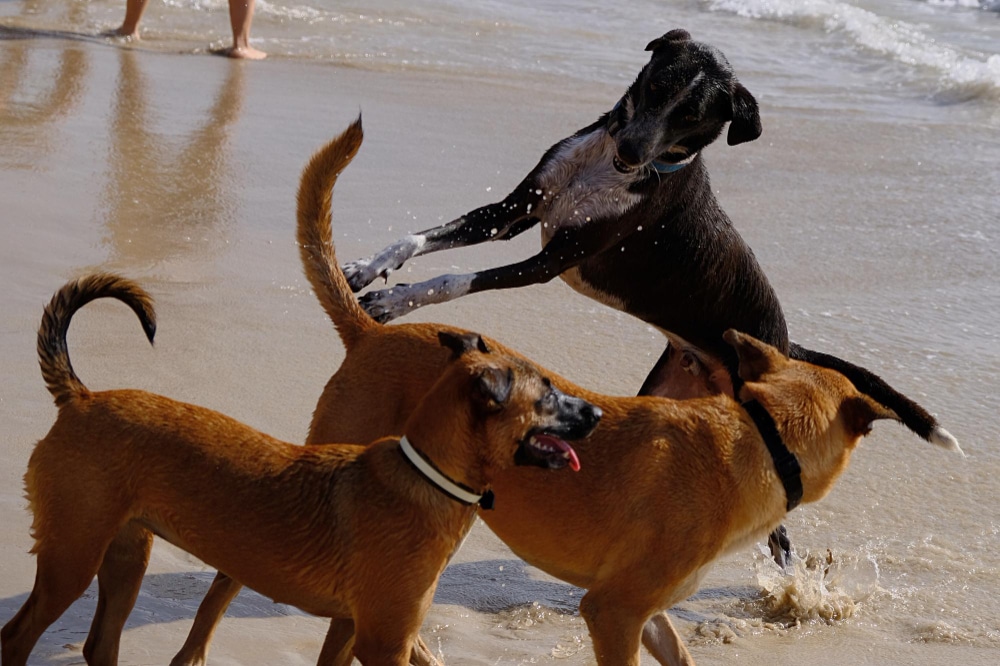
“A puppy jumps on an adult dog, being overly rambunctious, but the adult dog does not want to play,” they say. “The adult dog growls to warn the puppy off and the owners reprimand the adult dog rather than divert the puppy’s attention to give the adult dog some space.”
Most of us have watched this happen. Plenty of us have been the owner doing the reprimanding.
Caralyn and Jo lecture in animal behaviour, animal welfare and anthrozoology at Unitec. Jo also works as a dog trainer. Together, they research dog park use and behaviour. They say this small, well-meaning moment is where a much bigger problem starts.
“Through this process, the puppy learns to ignore normal dog warnings, becoming socially inept, and proceeds to harass other dogs at park,” they told us. “This behaviour may become a serious issue when they grow out of the puppy stage, especially if they are a big or powerful breed.”
In this article
Why we asked
We went to Caralyn and Jo because of something in our own research.
In a recent PD Insurance survey of 1,162 New Zealand pet owners, nearly seven in ten (68.7%) said they, their pet, or someone they know had an interaction with another dog that felt unsafe. Only 31.3% had never met a dog that worried them.
That number invites a particular kind of story. It’s the one about dangerous dogs and which breeds to avoid. We suspected the real explanation had more to do with us.
Reading dog behaviour around children
Dogs talk constantly. Research shows we listen badly. The misreading runs both ways. Owners read fear, avoidance and a dog seeking distance as aggression, or sometimes as guilt. They also wave off real aggression as excitement, insisting their dog is friendly.
This matters most around children.
Dogs give plenty of warnings before anything happens. They warn hardest out of fear, because a warning exists to prevent a fight. We miss those early signals because they are subtle. Situations then escalate, even while an adult stands right there watching.
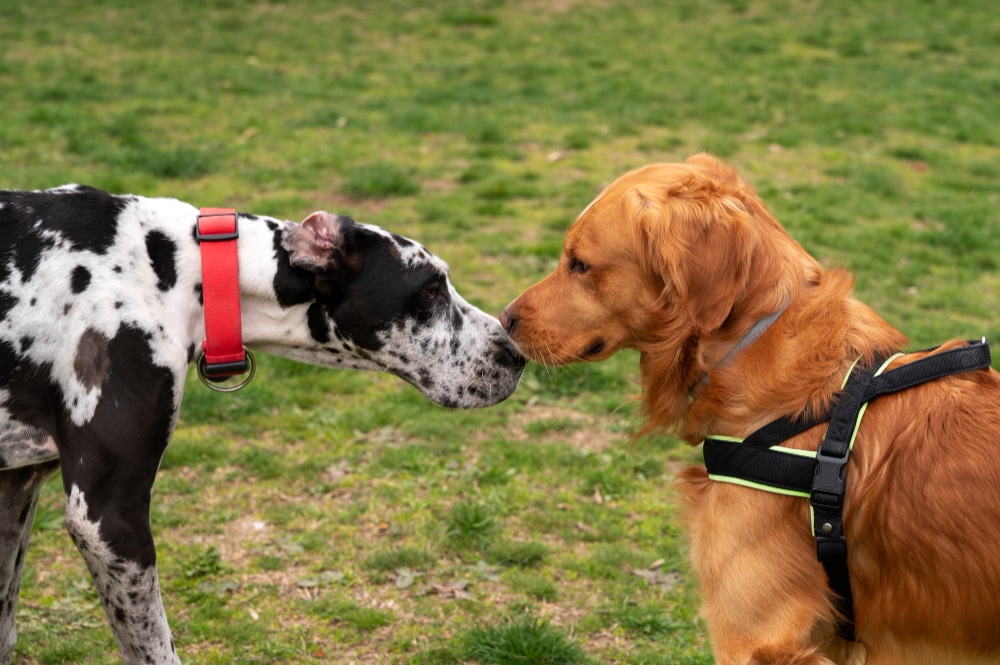
“These warnings are not aggression,” Caralyn and Jo say. “They are behaviours which signal uncomfortableness and a need for space, just like people signal that touching or proximity from others is not always welcomed.”
Their conclusion is clear: “When we fail to respect boundaries, from dogs or other people, behaviour escalates.”
If you have kids at home, our guide to dogs and kids respecting boundaries covers this ground in more detail.
It starts long before the incident
Ask why a dog lunged and you rarely get one answer.
“The issues we’re seeing with dogs now don’t exist in isolation but typically have historical factors,” Caralyn told us. “As dogs come from so many different backgrounds, there isn’t just one answer for these issues.”
Those factors start before birth. Breeders, professional and accidental, produce poor breed combinations. Some knowingly breed animals with genetic problems. Many owners never account for their breed’s instincts.
Hand-raising puppies without a mother looks charming. It can also produce an adult dog with no sense of boundaries.
The early learning environment matters just as much, and Caralyn and Jo call it crucial. A puppy needs positive exposure to people, children, other dogs, other animals and lots of different places. Research points to lockdown puppies here. Many owners bought or adopted them during Covid-19, and those dogs are now well into adulthood.
The training you choose
The last pieces are how to give a dog a stimulating life. How to recognise normal behaviour. How to spot a worrying change early, and where to go for help.
On help, Caralyn and Jo do not hedge.
“It is important that dog owners are educated on humane training methods that have the dog’s welfare at the forefront,” they say. “Outdated methods that rely on disproven ‘alpha’ and dominant theories are harmful and can result in more dangerous dogs.”
New Zealand barely regulates dog training. Research your trainer or behaviourist properly and stick to reputable sources.
A smaller world
Our 68.7% did not surprise Caralyn and Jo at all.
Their own research shows negative incidents involving dogs are growing more common and more serious.
Their explanation comes down to space. Housing gets denser and lives get busier. Owners socialise their dogs less. Territories shrink. Dogs spend long stretches shut indoors, which breeds territorial behaviour of its own. Tolerance thins out, and not only among people without dogs.
“Modern society expects dogs to fit into our world, to live according to our rules,” they say. “And in this process we have forgotten how to live with dogs.”
Nowhere good to go
Dog parks form part of the picture. Limited council funding creates spaces that raise the odds of conflict. As Caralyn and Jo put it, a patch of grass is not interesting.
So owners head for the beach, the bush or the footpath. There they meet other users of public space who behave unpredictably.
Owners of reactive dogs have it hardest. Their dog may have had one bad experience, and now almost nowhere suits. Demand for bookable private spaces keeps climbing as a result.
A harder conversation about rehoming
Caralyn and Jo also raise a subject most people avoid. In their experience, well-meaning organisations now rehome more unsafe dogs than they used to.
The pressure is real. The public wants no-kill shelters, and far more dogs need homes than homes exist. However, shelters lack the necessary resources, including staff, time, and funding, to thoroughly assess all dogs which come through their facility.
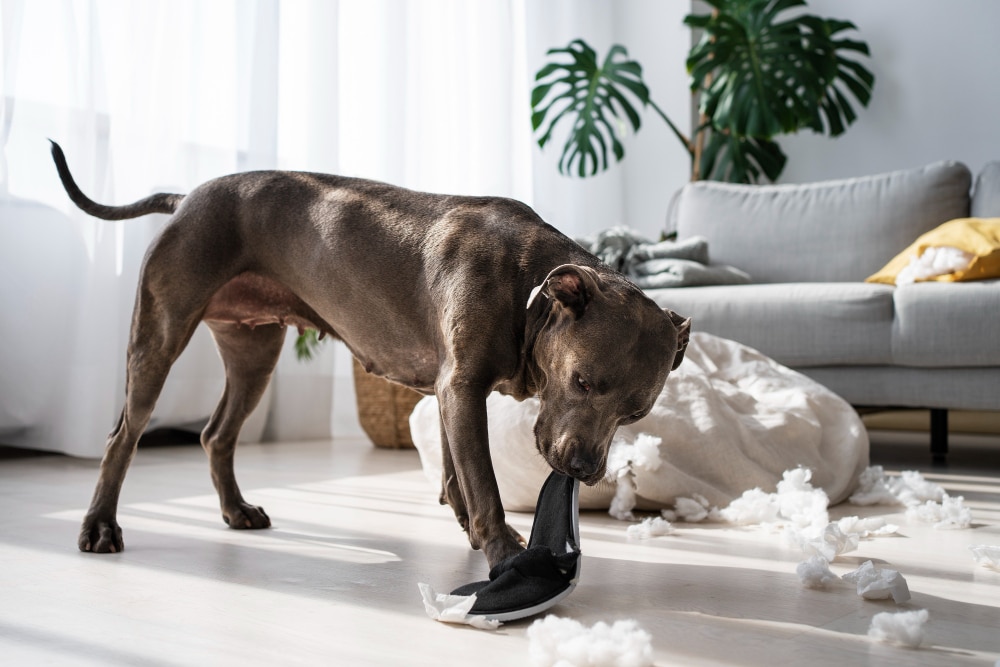
Reading dog behaviour takes attention
Owner behaviour makes an enormous difference. What Caralyn and Jo see in the field doesn’t encourage them. Pet parents are often distracted by their phones or have headphones in. This means their attention on their dog or the street is divided.
“In our research in dog parks, we often notice owners walking 50-100m or so in front of their dog,” they say. “If anything happens, they have no way of knowing.”
Recall is the other big gap. And a fence doesn’t remove the need for it.
Training at home in a quiet room also won’t prepare your dog for a busy beach. Practise in lots of environments instead. Avoid places that frighten your dog, and don’t let them get over-stimulated.
Caralyn and Jo also ask owners to stay curious rather than confident.
“Owners should educate themselves about the latest understanding of dog behaviour,” they say. “Scientists are still learning about dogs, so it is important to update your knowledge, too.”
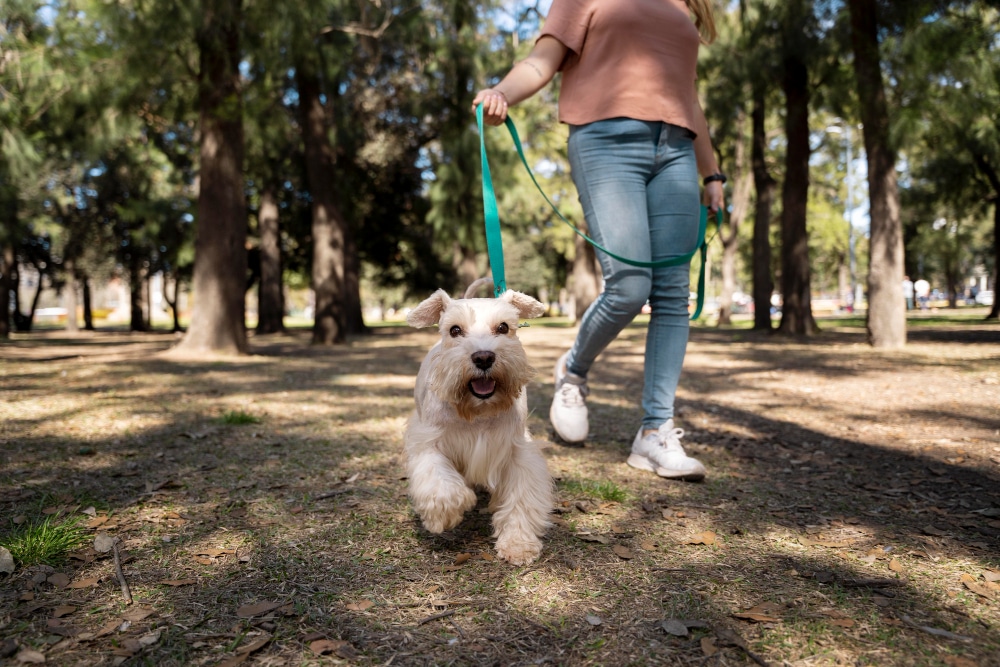
On the walk and on the lead
Start with your attitude to the walk. It’s probably the most important part of your dog’s day.
Your dog may have spent eight hours or more alone. This is their exercise, their bonding time and their only real look at the world. Caralyn and Jo ask you not to tick it off like a chore.
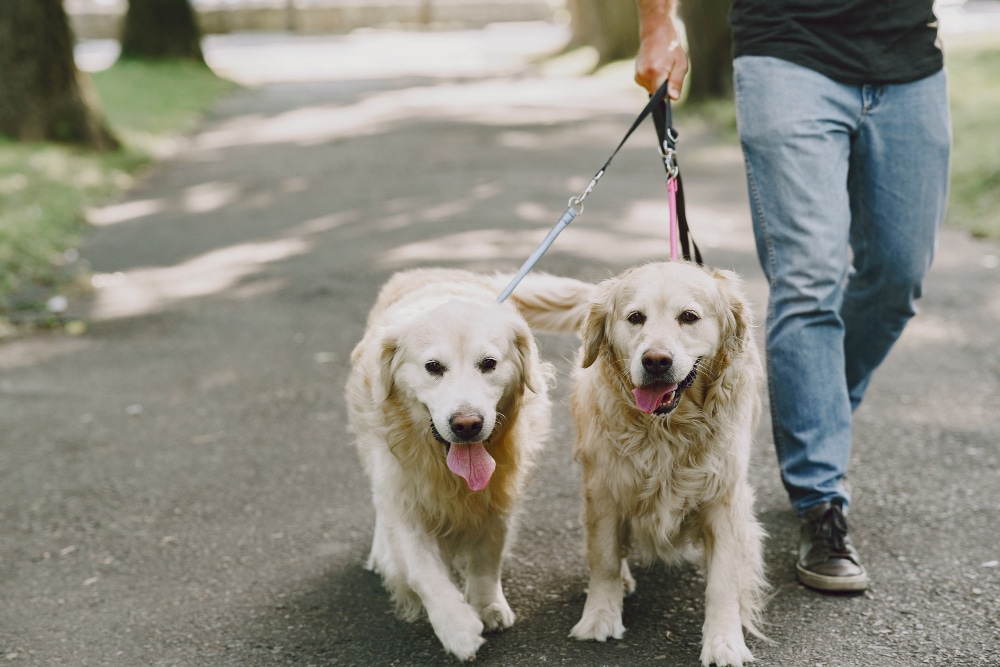
Also be conscious about how you’re using the lead. Tensing up and shortening it passes your tension straight to your dog. If you allow a greeting, don’t keep the lead too short. Don’t let leads tangle either, because a tangled dog cannot leave a situation it wants out of. And if your dog runs off lead, keep them away from dogs who don’t.
Something may still go wrong. Fight the urge to panic. Erratic movements, screaming and hauling on leashes rarely help.
For more on managing these moments, read our guide to preventing dog aggression.
Their last point is about saying no.
“Be your dog’s advocate and intervene early,” they say. “It’s okay to say no when someone asks to approach and pat your dog, it’s okay to not take your dog places they’re uncomfortable with, it’s okay to remove your dog from any situation you feel might trigger your dog, and it’s okay to ask other owners to recall their dog from yours.”
What our survey found
Here’s the detail from our 1,162 owners. These are the behaviours they had encountered:
- Lunging, 44.7%
- Aggressive barking, 38.2%
- Confronting another pet, 36.6%
- Snapping, 35.4%
- Biting, 35%
- Growling, 31.5%
And this is where the incidents happened:
- Streets and footpaths, 42.3%
- Beaches and public reserves, 26.3%
- Dog parks, 15.1%
The locations surprised us most. The everyday walk around the block accounts for far more of this than the dog park does. Our survey also asked owners about the proposed changes to the Dog Control Act. We break those down in our review of the Dog Control Act changes and what they mean for you.
One note on our figures
Most of our respondents are PD Insurance customers, not a random sample of the public. We also asked about incidents involving the respondent, their pet or someone they know.
Academic studies report lower rates than we did, including Caralyn and Jo’s. So read our 68.7% as a strong signal from engaged owners rather than a national prevalence figure.
Insurance for the unexpected
You can read every signal correctly and still have a bad day. Our own survey found most incidents happen on ordinary streets and footpaths, on ordinary walks.
That is where dog insurance earns its keep. A scrap can mean an urgent vet visit, and sometimes surgery. The cost of treatment shouldn’t be the thing you weigh up in that moment. Pet insurance can be the difference between keeping and losing your pet.
It works the other way too. If your dog injures someone else’s dog, third party liability covers the damage, as long you dog has no history of violence. Every PD Insurance pet plan includes it, so you’re protected if they damage other people, their pets or their property.
Click below to get a quote.