

Dog worming tablets … puppy worms … not exactly topics we like to think about. But if you’re a proud dog parent or are considering becoming one, it’s crucial not to overlook this less glamorous aspect of pet ownership.
In this article, we’ll explore why deworming your puppy is not just a routine chore but an essential step in ensuring their health and happiness.
In this article
- Why is it important to deworm your puppy?
- What are the different types of worms that can infect puppies?
- When should you start deworming your puppy?
- What are the different methods of puppy worming?
- What are the side effects of dog deworming?
- 10 tips to prevent your puppy from getting worms
- Insure your precious pup against all kinds of nasties

Why is it important to deworm your puppy?
Worms are parasites that live in your puppy’s intestines. Puppies are particularly prone to getting worms for a number of reasons.
Firstly, puppies have weaker immune systems compared to adult dogs, which means they’re less able to fight off parasite infections.
Secondly, they can get worms from their mum either before birth or through her milk, setting the stage for potential health issues right from the start. That’s why puppy deworming is part of their puppy healthcare milestones.
Worms can cause some nasty health problems, including:
- Weight loss
- Diarrhoea
- Vomiting
- Constipation
- Lethargy
- Anaemia
- Dog skin conditions and problems
In severe cases, intestinal worms in dogs can even cause blindness or be fatal.
Some puppy worms can also spread to other animals and even humans. By deworming them, you help prevent the spread of these parasites, protecting not only your puppy but also your family and other pets.
What are the different types of worms that can infect puppies?
Don’t worry, we’re here to demystify the world of puppy worms for you. The most common types of worms in New Zealand that can infect puppies are:
Roundworm
These are the most common type of worm in puppies. They can grow up to 30cm long – yikes! Roundworms can be passed from mother to puppy through the placenta or in the mother’s milk.
Hookworm
These worms attach to the walls of the puppy’s intestines and suck their blood. Hookworms can cause anaemia and weight loss and is spread primarily through your puppy coming in contact with contaminated soil.
Whipworm
These worms live in the puppy’s large intestine and can also cause diarrhoea and weight loss. They’re spread primarily through your puppy eating their eggs – which can be found in the poop of infected animals and in soil. Luckily they’re not super common.
Tapeworm
Spread by fleas, tapeworms are long and flat. These nasties attach to the puppy’s intestines and absorb nutrients from their food. Tapeworms are made up of many segments, and each segment contains eggs. The segments can sometimes be seen in the puppy’s stool. Tapeworms can cause puppies to have a pot belly, diarrhoea, and weight loss.
Heartworm
Heartworm in puppies is a serious and potentially fatal condition caused by parasitic worms called Dirofilaria immitis. These worms are transmitted through the bites of infected mosquitoes and primarily target the heart and lungs of dogs.
In the early stages, infected puppies may show no symptoms. As the disease progresses, you might notice coughing, fatigue, reduced appetite, and weight loss. In severe cases, heartworms can cause heart failure and damage to other organs.
When should you start deworming your puppy?
When and how often your deworm your dog can vary depending on their age and risk factors. Typically, puppies are dewormed starting at two weeks of age and this continues at regular intervals until they reach adulthood.
A typical puppy worming schedule usually looks like this:
2 weeks
This first round of treatment helps to get rid of any worms they may have inherited from their mother.
Repeat every 2 weeks
For the next few months, your puppy will typically be dewormed every 2 weeks until they’re about 3 months old. This frequent deworming helps to target different life stages of worms.
3 to 6 months old
After the initial intensive deworming, your puppy may receive deworming treatments less frequently, usually around once a month until they’re about 6 months old.
6 months and beyond
Once your puppy reaches 6 months of age, your vet may recommend a more standard adult dog deworming schedule, which is typically every 3 to 6 months, depending on your location and your dog’s lifestyle.
What are the different methods of puppy worming?
Typically, these are the ways you can deworm your dog:
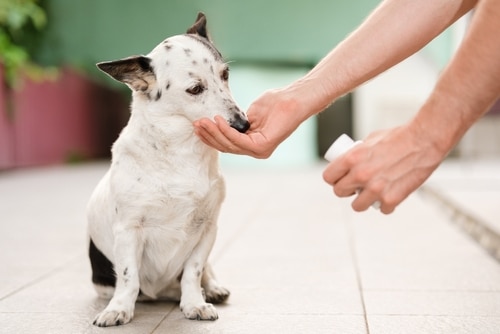
Dog worming tablets
This is the most common method, whereby medication is given to the puppy by mouth. Giving a dog a pill can sometimes be a little challenging. Vet and Healthy Pets New Zealand Trustee, Dr Cath, demonstrates how to give a dog a worming tablet below:
Spot-on treatments.
This is when medication is applied to the puppy’s skin – usually between the shoulder blades. It’s absorbed into the bloodstream and kills worms in the intestines. Topical medications generally don’t work as well as dog worming tablets, but they may be a good option for puppies who are difficult to pill.
Injection
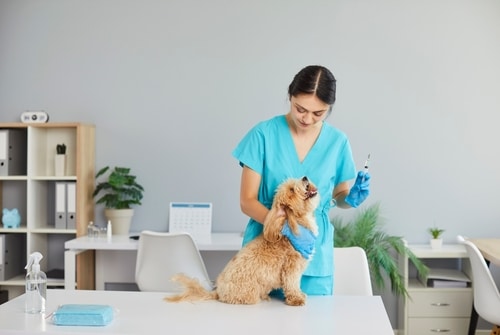
Injections are the most effective way to deworm a puppy, but they’re also the most invasive. Injections are typically administered by a vet due to the following reasons:
- Your puppy is too sick to take oral medications or apply topical medications.
- The puppy is vomiting or has diarrhoea, which prevents oral medications from being absorbed into the bloodstream.
- Your puppy has a severe case of worms or a type of worms that are resistant to oral medications.
- They’re allergic to oral or topical medications.
FAQ
Most puppies don’t experience any side effects from a deworming. However, some may experience mild side effects such as vomiting, diarrhoea, or lethargy.
These side effects are usually caused by the worms dying in the puppy’s intestines. They should go away within a day or two. If your puppy experiences any of these side effects, be sure to monitor them closely and contact your vet if you have any concerns.
In rare cases, puppies may experience more serious side effects from dog deworming tablets or other medication, such as:
Allergic reactions
Seizures
Neurological problems
If you notice any of these side effects in your puppy, contact your vet immediately.
No prevention method is 100% foolproof, but by following these steps and working closely with your vet you can greatly reduce the chances of your puppy getting worms.
#1 Keep it clean
Keep your puppy’s living area clean and tidy. Regularly remove poop from your yard or their playpen. Clean bedding and toys often to prevent contamination.
#2 Good toileting habits
Teach your puppy good potty habits. When you teach your puppy to eliminate waste in designated areas (like outdoors or in a specific spot indoors), you’re helping to prevent them from coming into contact with faeces from other animals, which can contain worm eggs. Find out more about toilet training your puppy – here.
#3 Be diligent with vet visits
Visit the vet for check-ups and vaccinations on time. They can recommend the best deworming schedule and give advice on prevention.
#4 Keep fleas at bay
Use flea and tick treatment for dogs that your vet recommends. As mentioned, fleas transmit some worms, so keeping them at bay helps prevent worms.
#5 Avoid raw meat
Avoid feeding your puppy raw meat or putting them on a raw food diet. Raw meat can carry parasites, so it’s likely best to stick to a high-quality puppy food instead.
#6 Hand hygiene
Always wash your hands after handling your puppy and before eating. This reduces the risk of transferring any potential worm eggs.
#7 Poop scoot
Puppies are curious, but discourage them from eating poop, whether it’s theirs or another animal’s. Poop can carry worm eggs.
#8 Follow the schedule
Follow your vet’s recommended deworming schedule. Prevention is key, and regular deworming helps keep worms at bay.
#9 Limit infection
If you encounter stray or unknown dogs, try to limit your puppy’s contact. Stray dogs can carry worms, and puppies are more susceptible.
#10 Socialise wisely
When socialising your puppy with other dogs, choose clean and well-cared-for playmates. This reduces the risk of exposure to worms.
Insure your precious pup against all kinds of nasties
Dog deworming is part of the routine care involved in keeping our pup happy and healthy. But when it comes to non-routine care, such as emergency vet visits, having dog insurance really helps. You never want to be weighing up money with getting your pup the best treatment in the case of an accident or illness.
PD Insurance offers cover wherever you are in New Zealand and whichever qualified vet you choose. Choosing a pet insurance plan is all up to your budget, and you can always consult our Policy Wording to check what’s covered or not.
PLUS, if you sign up with us, you can get 1 month free pet insurance – no matter what plan you choose. Not to mention we offer a discount if you insure more than one pet and a switching fee if you’re swopping over from a different insurance provider. Don’t let this chance worm away …