

Why do dogs bark? It’s something every frustrated canine parent has asked themselves at some point.
Especially if your dog goes on long monologues that fill the passage or the street with dog vowels. Even more so if you’ve discovered an angry note in your letterbox about your dog’s not-so-neighbourly vocalisations.
Before you go barking mad, here’s a roundup of reasons why dogs bark and ways to help them stop:
In this article
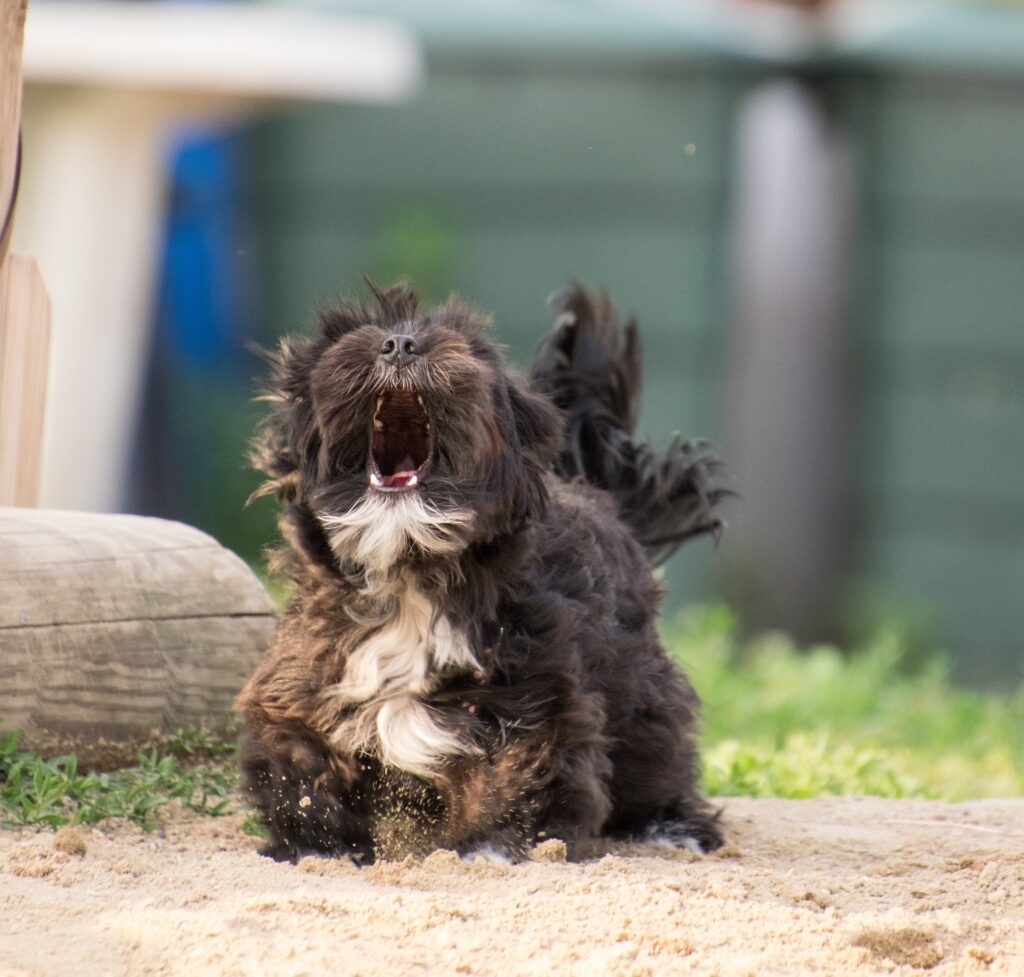
Reasons why dogs bark
Dogs have various reasons for making a lot of noise. Most of the time, a burst of noise is a warning of strangers or other dogs approaching, a welcome home hello, a request to not leave them or an invitation to play.
Usually, it ceases as soon as the stimulus does. But when the barking goes on and on, ask yourself these questions:
Q: Exercise?
Could it be a lack of exercise? Dogs need daily exercise and if they don’t get it, they can become frustrated and may have something to say about it. On loop.
The answer is to get out and about with doggie more often. A tired dog is usually a quiet dog, after all.
Not prepared for walkies? Here’s a DIY dog walking kit to help you find your way.
Q: Stimulation?
Could all the dog barking be due to lack of stimulation? Boredom is a big problem, especially with solo dogs left alone at home.
Are they lacking in toys to play with while you’re not there? Treats to find hidden in various places around the yard? Are you playing with them enough when you’re at home?
If you think lack of stimulation is a reason why your canine barks and you don’t have enough time to spend with them then maybe, you could take them to doggy daycare regularly? Or even every now and then. You could also look into playdates and pet sharing with someone who’s happy to take them – even better if they have a dog too.

Q: Anxiety?
Why do dogs bark? Hmmm… Could it be separation anxiety? If you work or are out a lot while your dog stays home, this could be causing some emotional discomfort that they try to address verbally.
If it’s an adopted dog or new puppy, they could still be adjusting to your home. Then when you disappear for an extended time without warning, your pup might feel abandoned. In puppy minds, 10 minutes can feel like an abandonment.
One trick is to spend more quality time together more often. Not possible? Perhaps consider adding another dog to the pack. Regardless, research your options – more tips and tricks are here in our article about separation anxiety in pets. Also, check out the video below as Dr Cath Watson shares more info on preventing and treating separation anxiety.
Q: Illness or injury?
When you’re wondering why dogs bark, wonder if it could be a medical complaint. An illness, injury, chronic pain, insect bites and even neurological disorders can cause incessant barking. Older dogs may develop canine cognitive dysfunction (CCD) or dog dementia, which can cause them to bark more.
A vet can verify if there’s a medical cause for the complaint. And your dog insurance can help ensure the treatment costs are covered.
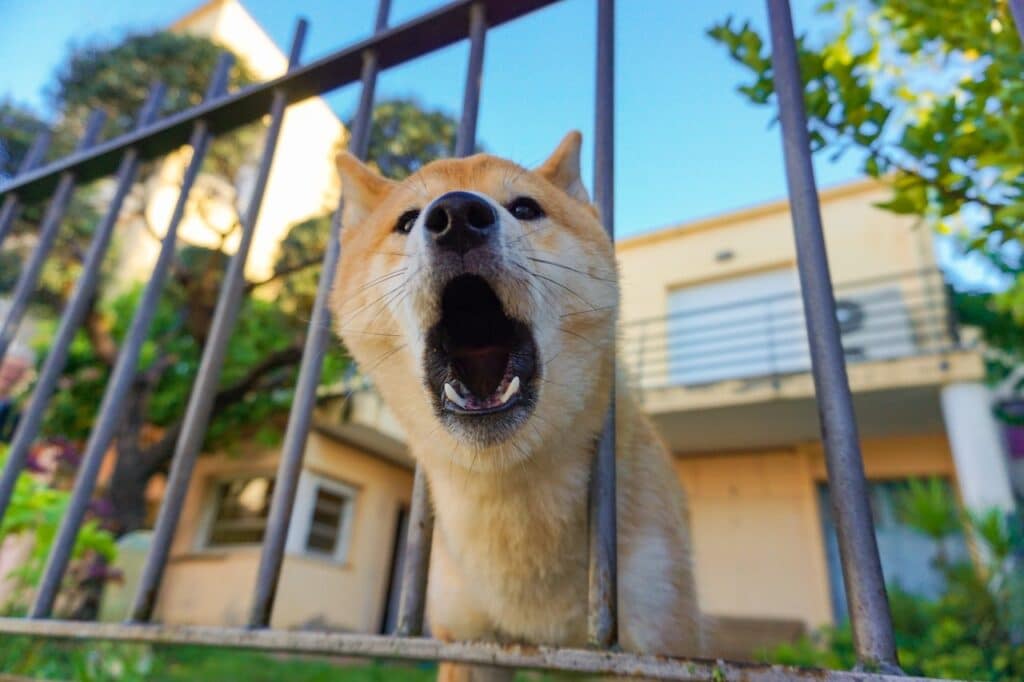
How to stop a dog from barking
You can see there are plenty of reasons behind a dog barking, and ways to help your pup if they’re barking a lot. A couple of other dos and don’ts are:
Don’t: Shout at a dog barking a lot. It will confuse them, and the negative energy will only contribute to their unhappiness.
Do: Teach them ‘quiet,’ quietly.
“When your dog is barking,” suggests PetMD, “say ‘quiet’ in a calm, firm voice. Wait until he stops barking, even if it’s just to take a breath, then praise him and give him a treat. Just be careful to never reward him while he’s barking.”
Don’t: Wait for someone to call the cops on your monologuing canine.
Do: Address it ASAP. Dogs may derive pleasure from vocalising, and if this behaviour is allowed, it could develop into direct aggression. You wouldn’t want your dog barking wildly in the face of a four-year-old child, would you?
If you aren’t sure of the causes or you don’t know what to do, and you’ve verified that it isn’t medical, an animal behaviourist can be a huge help.
There are plenty of dog trainers and behaviouralists across New Zealand – a few dollars spent now with a professional could mean years of peace for you and your neighbours.
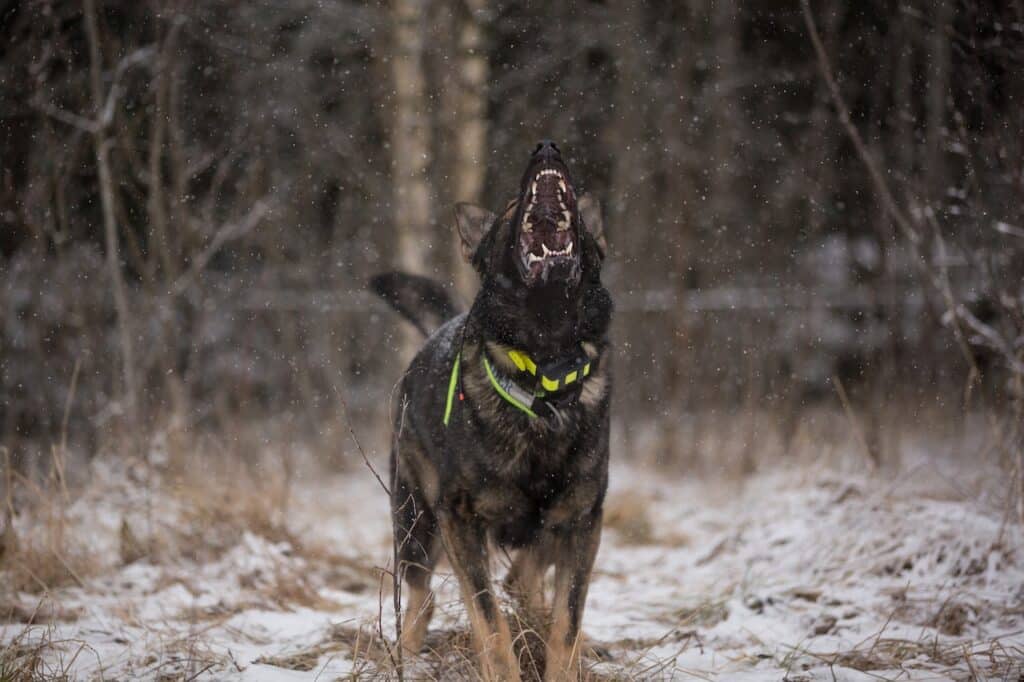
Tailor dog exercise by age, breed and health
We’ve talked a lot about exercise – because in most cases, whatever the cause, getting enough activity, socialisation and mental stimulation help keep a dog calm. But what you also need to know is that you should be tailoring the amount of exercise your dog does during the day to their age, breed and health:
Here’s why:
- Age. Puppies are fast growing and their muscles, ligaments and bones are changing size and shape. Because of this, they shouldn’t be placed under the same level of stress as mature dogs, so tailor their playtime and exercise needs to their growth stage. Here’s more on puppy games and the importance of playtime for cats and dogs.
- Health. Older dogs and those with conditions like hip dysplasia or Luxating patella need exercise that’s tailored to their capacity. For these dogs that can’t put pressure on their joints, explore different ways of exercising dogs without walking.
- Breed. Not all breeds require the same level of exercise. Some need far more than others. Dogs in the working and gun dog groups were originally bred for lots of work and still have this capacity, both physically and mentally.
Border Collies and German Shepherds for example, need to use up far more energy than brachycephalic breeds. Check out these dog breed exercise requirements to give you a better idea of your canine companion’s needs. Interactive dog toys and puzzles can also provide mental stimulation, keeping their minds occupied.

More about canine behaviour
To make Sir Yaps-a-Lot’s life as comfortable and fulfilling as possible, check out these blog posts:
- How to Speak Dog: A Simple Guide
- Managing Pet Costs While Giving the Best Care
- Easy and Yummy Dog Food Recipes
- How to Keep Your Pet Warm When it’s Cold
- 7 Pet Parenting Mistakes to Avoid
FAQ
If you’re dealing with a barking canine every time a family member shows up, try positive reinforcement. When a family member arrives, give your pup a treat and shower them with love and praise for staying quiet. Also, train your dog to respond to a “quiet” or “enough” cue which you’ll find can work wonders.
Be consistent and reward them when they hush up. And don’t forget exercise – as we’ve mentioned, a tired pup is a quiet (and happy) pup. So, go for a walk or play fetch before the family reunion to take the edge off that excitement.
If your dog’s barking persists despite your best efforts, seeking professional help from a certified dog trainer or qualified veterinary behaviourist is a wise choice. They can assess your canine’s behaviour, provide guidance, and develop a training plan.
Here’s more on how a dog behaviourist can help.
Again, start by making sure your pup has had a good exercise session during the day to tire them out. One common reason dogs bark at night is a lack of physical and mental stimulation during the day. So, make sure Sir Barks-a-Lot receives sufficient exercise and playtime.
Getting adequate exercise will help exhaust their energy levels, making them less likely to bark excessively when nighttime comes.
Check if anything’s triggering the barking, like pesky critters or spooky shadows. If so, minimise external stimuli by closing the curtains and keeping the room quiet. Try using white noise machines, pet pheromones or calming music to drown out outside noises that may trigger barking.
Just like humans, dogs appreciate a cosy and peaceful sleeping environment. Make sure your pup has a comfortable bed in a quiet area of your home. Creating a routine before bedtime, like a calming walk or a soothing massage can help relax your pet and prepare them for a restful night’s sleep.
If your dog is sleeping outside at night, consider allowing them in. Also find out about the oodles of potential benefits of sleeping with your dog in your bed.
Barking mad? Stay sane with dog insurance!
No matter how much your canine barks, you want the best for them. PD Insurance is an award-winning brand* that offers a choice of three dog insurance plans. Plus, you can get 1 month free insurance when you sign up. Why not get a quote now?
*PD Insurance is the winner of the 2023 and 2026 MoneyHub Editor’s Choice Favourite Pet Insurer Award, 2024 Reader’s Digest Silver Pet Insurance Award, and 2022 Canstar Most Satisfied Customers Award for Pet Insurance.