

We know getting plenty of fruits and vegetables into our diet is good for us. But does it count for our pets? What vegetables and fruit can dogs and cats eat? Are there some they should avoid? What are the health benefits … or risks?
In this article, we’ll delve into the world of pet-friendly produce, exploring which fruits and vegetables can be shared with your furry friends to add variety to their meals and provide extra nutrients.
In this article
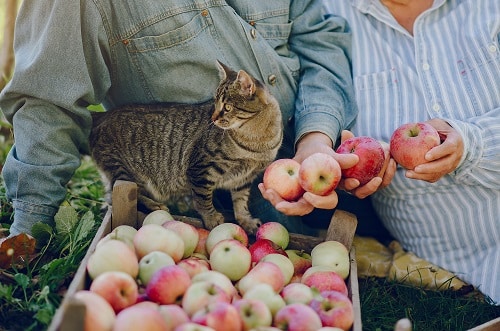
Is there veg and fruit my dog can eat … what about my cat?
Before you start tossing grapes and broccoli into your pet’s food bowl, it’s important to understand a few key points. While many fruits and vegetables are safe for dogs and cats, not all are created equal.
Some can be harmful or toxic, so it’s essential to do your research before sharing your snack. Additionally, moderation is key. Fruits and vegetables should complement your pet’s regular diet, not replace it entirely. Consult your vet before making any significant changes to your pet’s eating habits!
But do they actually like it?
You might be surprised to learn that many dogs and cats actually have a taste for fruits and veggies! Just like us, our furry friends have their preferences, and some of them might be totally on board with munching on some colourful produce.
Dogs are known to enjoy the sweetness of fruits like apples and blueberries. And cats might surprise you! While they’re carnivores by nature, some cats enjoy cooked carrots. As for fruits – cats don’t have sweet taste receptors but may enjoy fruit for the texture.
Of course, not all dogs and cats are the same. Just like some humans might turn up their noses at broccoli while others can’t get enough, pets have their individual tastes too.
Keep an eye out for signs of interest from your pet. If their tail starts wagging or they come sniffing around when you’re chopping up some veggies, it might be worth trying a tiny piece.
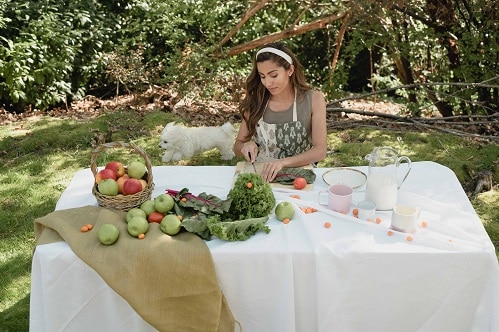
Are veg and fruit dogs + cats can eat healthy?
Now, let’s address the ultimate question: do they actually benefit from these fruity and veggie adventures? Fruits and veggies can bring in vitamins, minerals, and fibre that can add a little extra pep to their step. Plus, it’s a bit like offering them a new toy or activity—a fresh taste sensation that keeps life interesting.
Though you shouldn’t replace their entire diet with fresh produce, it can become a part of their diet.
Fruits dogs + cats can eat
Dogs and cats will go fruity over these fruits, as long as you serve them right! Here are fruits dogs and cats can eat:
Apples
Remove the seeds and core, then slice the apple into bite-sized pieces. Apples are a great source of vitamins and fibre, but be sure to avoid seeds as they contain traces of cyanide.
Blueberries
Packed with antioxidants and vitamins, blueberries make a fantastic treat. They’re small and easy to serve as an occasional snack.
Bananas
Rich in potassium and carbohydrates, bananas can be mashed and mixed into your pet’s food for a delightful change of taste.
Watermelon
On a hot day, watermelon chunks can serve as a refreshing treat. Just remember to remove the seeds and rind before sharing.

Veggies your pet can enjoy
Now for the veg! Here are some safe vegetable options for your pawsome pet:
Carrots
Crunchy and low in calories, carrots are an excellent source of vitamins and promote dental health. They can be served raw or lightly steamed.
Cucumbers
With their high water content, cucumbers can be a hydrating and cooling snack. Make sure to slice them into manageable pieces.
Sweet potatoes
A powerhouse of nutrients, sweet potatoes are best cooked, mashed, and served in small amounts. They’re a source of vitamins and fibre.
Peas
These little green wonders are packed with vitamins, minerals, and protein. You can serve them fresh or even frozen on a hot day.

Fruits and veggies to avoid
As you explore the world of vegetables and fruits dogs and cats can eat, it’s essential to recognise the fruits and vegetables that should be kept OFF the menu. Here they are:
Grapes
These innocent-looking fruits can lead to kidney failure in dogs and cats. In fact, we have a whole article (Can Dogs Eat Grapes?) dedicated to educating on the dangers of grapes (and raisins!)
If you’ve any suspicions at all that your dog may’ve accessed grapes, raisins, currants, or similar, you should seek immediate medical attention for them.
The early signs of grape poisoning in dogs are often very generalised or non-specific, so they may go unnoticed. Read about the experience of Harvey the Schnauzer here.
Onions and garlic
These members of the allium family can damage your pet’s red blood cells and lead to anaemia. Keep them far away from your furry friend!
Avocado
While it’s a superfood for humans, avocado contains a substance called persin that can be toxic to pets.
Tomatoes
The ripe fruit itself isn’t necessarily toxic, but the leaves and stems of tomato plants contain solanine, which can be harmful.
Corn cobs
Plain corn itself usually isn’t dangerous for pets, but corn cobs are dangerous for pets, especially dogs. They’re tough, don’t break down in the stomach, and dogs tend to gulp them down, which makes them a serious choking risk.
Even worse, they can get stuck in the gut and cause a blockage, which is really dangerous and often means emergency surgery. The tricky part is symptoms might not show up straight away, it can take hours or even days. Vomiting, not eating, low energy, tummy pain, or trouble pooing are all red flags. Cats don’t usually go for corn cobs, but they’re still unsafe if swallowed. If your pet’s eaten one, it’s best to call the vet ASAP rather than wait it out.
Be sure to check out Things That Can Poison Your Pet – Toxic Foods and Plants to ensure you know what you fur kid should stay away from!

Incorporating safe fruits and veggies into their diet
Now that you’re equipped with a list of vegetables and fruits dogs and cats can eat, you might be wondering how to incorporate them into your pets’ meals. Here are a few ideas:
Mix-Ins
Dice or mash the fruits and veggies and mix them into your pet’s regular food. This adds texture and flavor variation to their meals.
Frozen delights
On a hot day, freeze small pieces of pet-friendly fruits like blueberries or watermelon. Your pet will love the cooling sensation.
Homemade treats
Research some simple DIY treat recipes that incorporate safe ingredients. Just make sure that the treats meet your pet’s dietary needs. These 5 Tasty Homemade Cat Treats and 4 Christmas Dog Treat Recipes That Are Totally Pawsome can be enjoyed all-year round!
Training rewards
Use small fruit or veggie pieces as rewards during training sessions. This can be a healthier alternative to commercial treats.
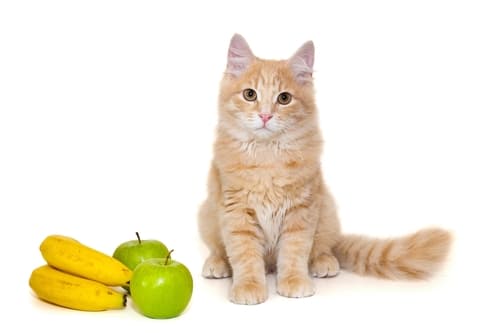
To find out more about the ins and outs of what you pet can and can’t eat, check out these resources:
Can Dogs Eat … ?
Can Cats Eat…Raw Chicken, Eggs, Chocolate? And More!
What Do Cats Like To Eat For Breakfast?
Can Cats Eat Peanut Butter?
Can Dogs Eat Bones Safely?
Christmas Dinner And Pets: What They Can And Can’t Eat
Can Dogs Eat Beyond Meat?
How Many Times A Day Should A Dog Eat?
Is Chocolate Toxic To Dogs And Cats? Yes, Keep Easter Eggs Away!
Can Cats Eat Chocolate Easter Eggs + Other Easter Treats?
Can Dogs Eat Vegemite?
Xylitol Toxicity In Dogs Can Be Fatal. What About Cats?
Insurance for that errant grape…
Now you know a little bit more about vegetables and fruits dogs and cats can eat. Now, on the odd chance they get a hold of something they CAN’T eat, you’re going to want to make sure you can afford to take them to the emergency vet!
If you have a good pet insurance policy, you’ll be able secure quality treatment for your pet without worrying about the financial implications. PD offers award-winning month-to-month cover for your pet – giving them a soft landing every time. Why not get a quote today?